

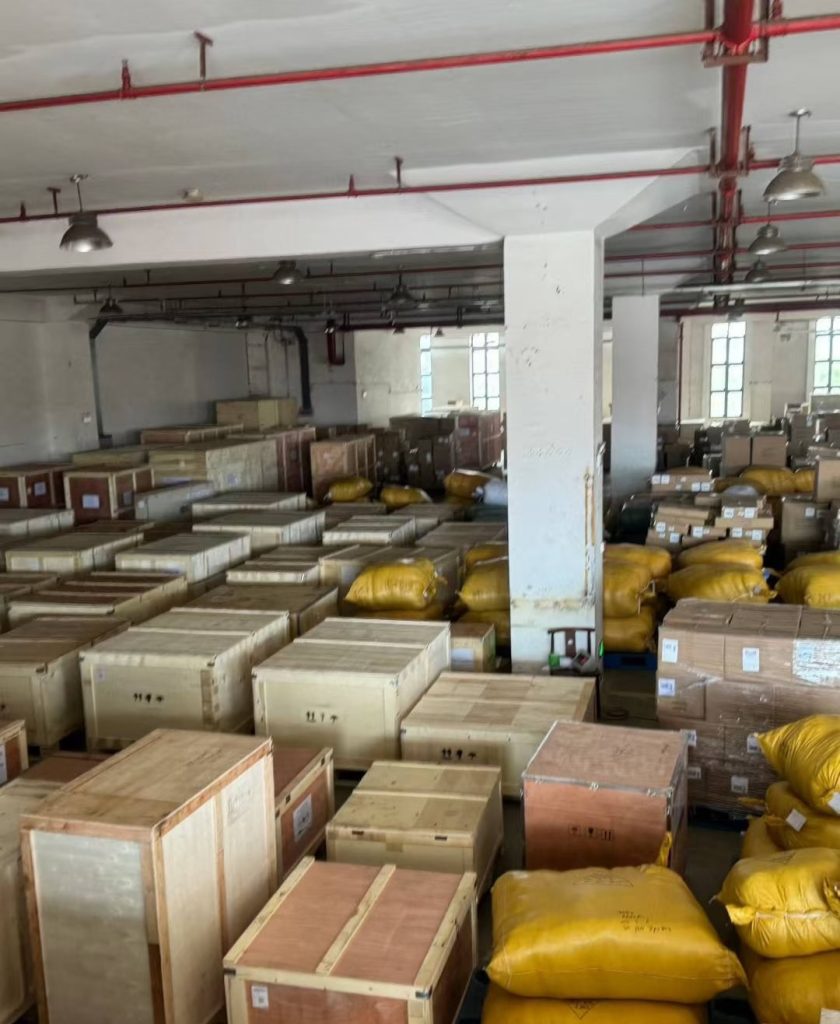
Shipping lithium batteries from China by LCL (Less than Container Load) sea freight can be a practical option for exporters who do not have enough cargo to fill an entire container. However, lithium batteries are regulated cargo, so successful transportation requires correct classification, compliant packaging, complete documentation, and carrier acceptance before booking.
What Is Lithium Battery LCL Shipping?
LCL shipping means that your cargo shares container space with shipments from other exporters. Instead of paying for a full container, you generally pay according to the applicable cargo volume, weight, and service charges.
For lithium battery shipments, the process can involve additional dangerous goods handling requirements. The exact requirements depend on the battery type and its classification.
Common lithium battery cargo includes:
- Lithium-ion battery cells
- Lithium-ion battery packs
- Lithium-metal batteries
- Rechargeable batteries
- Power batteries
- Energy storage batteries
- Batteries packed with equipment
- Batteries contained in equipment
The shipment should be assessed according to its actual specifications rather than simply being described as a “battery.”
Important Information for Lithium Battery Shipping
Before requesting an LCL quotation, provide as much accurate information as possible, including:
| Required Information | Example |
|---|---|
| Product | Lithium-ion battery |
| Battery Type | Rechargeable lithium-ion |
| UN Number | Applicable UN classification |
| Voltage | 48V |
| Capacity | 100Ah |
| Watt-hours | Calculated according to specifications |
| Quantity | 30 cartons |
| Gross Weight | 400 kg |
| Volume | 2 CBM |
| Origin | Shenzhen, China |
| Destination | Hamburg, Germany |
| Service | LCL sea freight |
An SDS and relevant battery test/documentation may also be requested for cargo assessment.
How China Lithium Battery LCL Shipping Works
Step 1: Cargo Assessment
The freight forwarder reviews the battery specifications, product documents, packaging, quantity, weight, volume, and destination.
Step 2: Dangerous Goods Classification
The shipment is classified according to the applicable maritime dangerous goods requirements. The correct UN number and shipping description are important for the booking process.
Step 3: Documentation Check
Required documents can vary according to the cargo and route. Commonly requested documents may include an SDS, dangerous goods declaration, commercial invoice, packing list, and relevant battery documentation.
Step 4: LCL Warehouse Delivery
After the shipment is accepted, the cargo is delivered to the designated warehouse for consolidation.
Step 5: Sea Freight Booking
The forwarder confirms carrier acceptance and arranges the appropriate LCL service.
Step 6: Export Customs Clearance
The shipment undergoes the required export customs procedures in China.
Step 7: Ocean Transportation
The LCL cargo is consolidated into a container and transported by sea to the destination port.
Step 8: Destination Handling
After arrival, the cargo can proceed through destination customs clearance, deconsolidation, and final delivery if the selected service includes these options.
Why Use a Specialized Lithium Battery Freight Forwarder?
Lithium battery shipments can be more complicated than ordinary general cargo. A specialized forwarder can help coordinate:
- LCL sea freight
- Dangerous goods assessment
- Carrier acceptance
- Export customs clearance
- Dangerous goods documentation
- Warehouse consolidation
- Port handling
- Destination logistics
- Door-to-door transportation where available
The most important point is that carrier acceptance should be confirmed before the shipment is delivered to the warehouse.
Is LCL Suitable for Lithium Batteries?
LCL can be suitable when the shipment volume is relatively small. For larger quantities, FCL may sometimes provide a more appropriate solution.
The best option depends on:
- Cargo volume
- Gross weight
- Battery classification
- Origin warehouse
- Destination port
- Shipping route
- Carrier acceptance
- Required delivery service
- Total logistics cost
A professional quotation should therefore consider the complete logistics process rather than only the basic ocean freight rate.
How to Get an Accurate Lithium Battery Shipping Quote
When contacting a China lithium battery freight forwarder, provide:
Product + UN classification + battery specifications + quantity + cartons + gross weight + CBM + pickup address + destination + required service.
For example:
Lithium-ion battery, applicable UN classification, 48V 100Ah, 30 cartons, 400 kg, 2 CBM, Shenzhen to Hamburg, LCL sea freight.
With complete cargo information, the forwarder can determine whether the shipment is acceptable and calculate the relevant transportation and handling costs more accurately.
FAQ
Can lithium batteries be shipped from China by LCL sea freight?
Some lithium battery shipments can be transported by LCL sea freight, subject to classification, packaging, documentation, carrier acceptance, and route requirements.
Is lithium battery shipping more expensive than general cargo?
It can be. Additional dangerous goods handling, documentation, warehouse, port, and carrier charges may apply.
Can I ship lithium batteries to Europe by sea?
Potentially, yes. The shipment must satisfy the applicable regulations and the requirements of the selected carrier and route.
Do battery specifications affect the shipping method?
Yes. Battery chemistry, configuration, capacity, UN classification, packaging, and whether the batteries are shipped alone or with equipment can affect transportation requirements.
Can you arrange door-to-door LCL battery shipping?
Door-to-door service may be available on certain routes, but availability depends on the cargo classification, destination, carrier, and local handling requirements.
Conclusion
For companies sourcing batteries from China, China lithium battery LCL shipping can provide a flexible solution for smaller shipments. The key is to work with a freight forwarder that understands dangerous goods procedures, LCL consolidation, export customs, carrier requirements, and destination logistics.
Accurate product information and early compliance checks can help reduce booking delays, documentation problems, and unexpected shipping issues.