

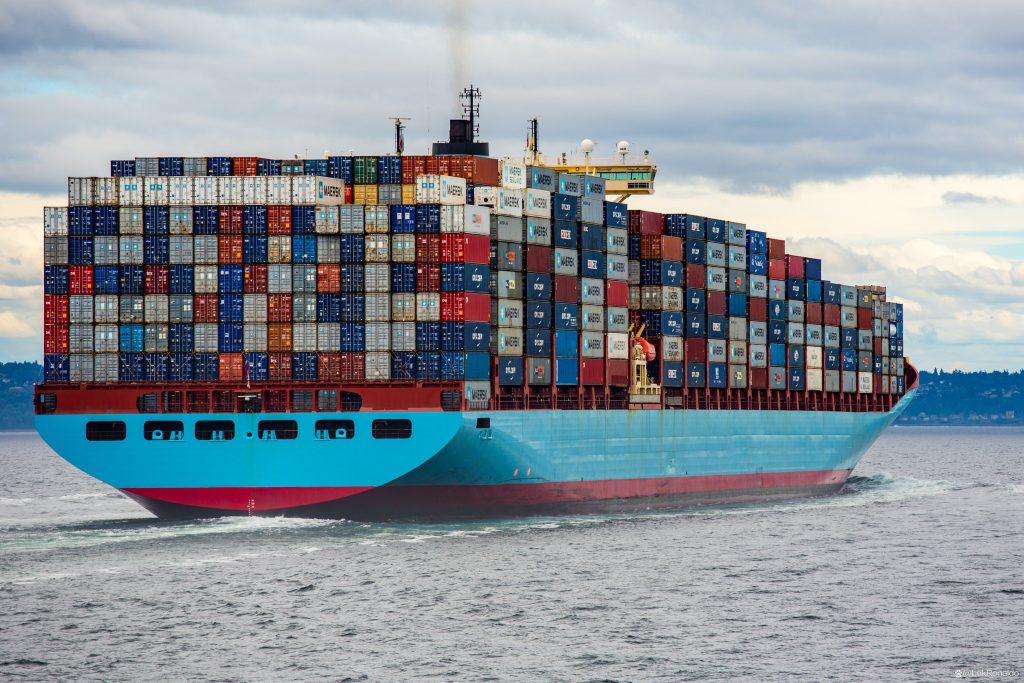
Professional China Battery Dangerous Goods Freight Forwarder
Finding a professional China battery dangerous goods freight forwarder is important when exporting lithium batteries and other regulated battery products internationally. Unlike ordinary cargo, dangerous goods batteries require careful classification, documentation, packaging, carrier acceptance, and transportation planning.
A specialized freight forwarder can coordinate the logistics process from the Chinese factory or warehouse to the destination port and, where available, the final delivery address.
What Battery Dangerous Goods Can Be Shipped?
Depending on the actual classification and carrier acceptance, battery cargo may include:
- Lithium-ion batteries
- Lithium-metal batteries
- Rechargeable battery packs
- Battery cells
- Energy storage batteries
- Power batteries
- Portable power stations
- Batteries packed with equipment
- Batteries contained in equipment
The correct transportation method should be determined from the actual battery specifications and applicable dangerous goods requirements.
Why Use a Professional Battery Freight Forwarder?
Battery shipments can involve more procedures than conventional general cargo. An experienced freight forwarder can help coordinate:
- Dangerous goods cargo assessment
- UN classification review
- Documentation preparation
- LCL consolidation
- FCL container shipping
- Carrier booking
- Export customs clearance
- Warehouse handling
- Ocean freight
- Destination customs coordination
- Door-to-door delivery where available
This can help exporters reduce avoidable booking and documentation problems.
Information Required Before Shipping
Before requesting a quotation, prepare the following information:
| Information | Details |
|---|---|
| Product | Lithium-ion battery |
| Battery Type | Rechargeable lithium battery |
| UN Number | Applicable classification |
| Voltage | 48V |
| Capacity | 100Ah |
| Energy | Applicable Wh rating |
| Quantity | 50 cartons |
| Gross Weight | 600 kg |
| Volume | 3 CBM |
| Origin | Shenzhen, China |
| Destination | Hamburg, Germany |
| Service | LCL Sea Freight |
An SDS and other relevant battery transportation documents may also be required during the cargo assessment.
China Battery Dangerous Goods Shipping Process
1. Product Assessment
The exporter provides complete battery specifications, packaging information, quantity, weight, and volume.
2. Classification Review
The freight forwarder reviews the available information to determine the applicable dangerous goods transportation requirements.
3. Documentation Check
Relevant shipping documents are checked before booking.
4. Carrier Approval
The selected shipping line or consolidator confirms whether the specific cargo can be accepted on the requested route.
5. Warehouse Handling
The shipment is delivered to the designated warehouse for appropriate handling and, when applicable, LCL consolidation.
6. Export Customs Clearance
The required export customs procedures are completed in China.
7. Ocean Transportation
The cargo is transported by sea to the destination port.
8. Destination Logistics
Depending on the service, destination customs clearance, deconsolidation, and final delivery can be arranged.
LCL or FCL Battery Shipping?
A professional forwarder can help determine whether LCL or FCL is more suitable.
LCL:
Suitable for smaller shipments that do not require an entire container, subject to dangerous goods consolidation and compatibility requirements.
FCL:
Suitable for larger shipments or situations where a dedicated container is preferred.
The cheapest option is not always the best option. Battery classification, route, carrier acceptance, handling requirements, and destination charges should all be considered.
How to Get a Fast Battery Shipping Quote
Send the freight forwarder:
Battery type + UN classification + voltage + capacity + quantity + cartons + gross weight + CBM + origin + destination + LCL/FCL requirement.
For example:
Lithium-ion battery, applicable UN classification, 48V 100Ah, 50 cartons, 600 kg, 3 CBM, Shenzhen to Hamburg, LCL sea freight.
With complete information, the forwarder can assess the shipment and determine the appropriate shipping solution more efficiently.
Common Problems When Shipping Batteries
Incomplete documentation
Missing or inconsistent documents can delay the booking process.
Incorrect cargo description
Battery products should be accurately declared and classified.
Unconfirmed carrier acceptance
Not every carrier or route accepts every type of dangerous goods battery.
Improper packaging
Battery packaging must meet the requirements applicable to the specific shipment.
Unexpected destination charges
Destination handling and customs costs can vary, so they should be clarified before shipping.
FAQ
Can a China freight forwarder arrange dangerous goods battery sea freight?
Yes, specialized freight forwarders can coordinate suitable dangerous goods sea freight services, subject to cargo and carrier acceptance.
Can batteries be shipped by LCL?
Some battery shipments can use LCL, but dangerous goods compatibility and carrier requirements must be checked first.
Can you arrange FCL battery shipping?
FCL may be available for suitable shipments, depending on the cargo classification, route, container requirements, and carrier acceptance.
Can battery cargo be shipped door to door?
Door-to-door service may be available on selected routes, subject to destination regulations and local handling capabilities.
What is the most important information for a battery freight quotation?
The battery type, UN classification, specifications, quantity, weight, volume, origin, destination, and desired service are particularly important.
Conclusion
A Professional China Battery Dangerous Goods Freight Forwarder can help exporters manage the complicated requirements involved in international battery transportation. From cargo assessment and documentation to carrier booking, customs clearance, ocean freight, and destination logistics, each stage needs to be coordinated carefully.
For an accurate quotation, provide complete and truthful battery information before booking. This allows the logistics provider to identify the appropriate shipping method and confirm whether the cargo can be accepted on the selected route.