

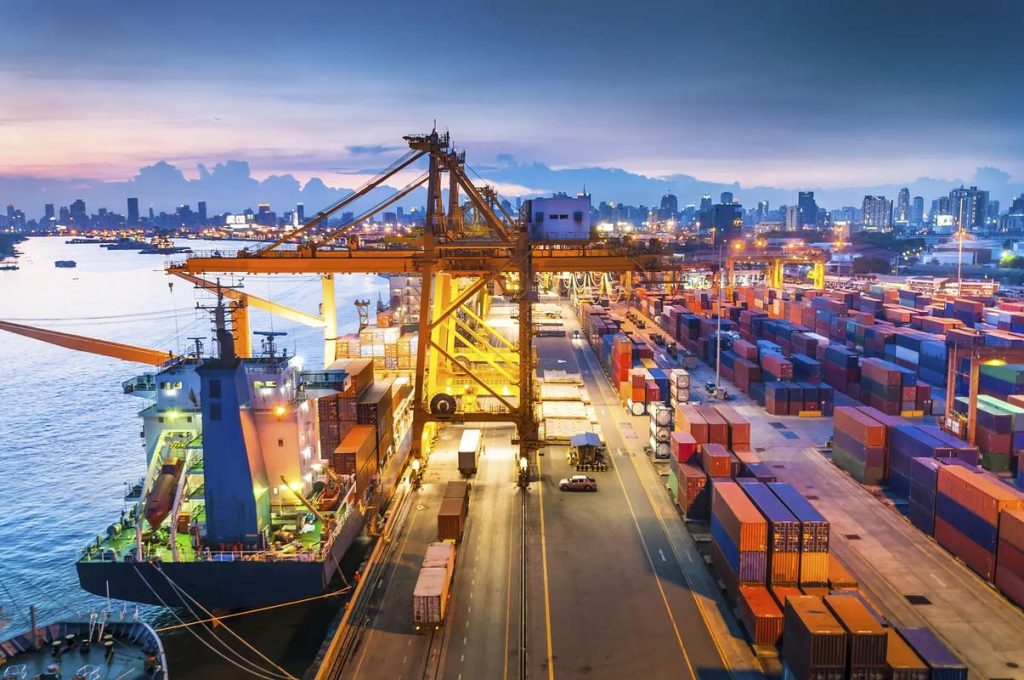
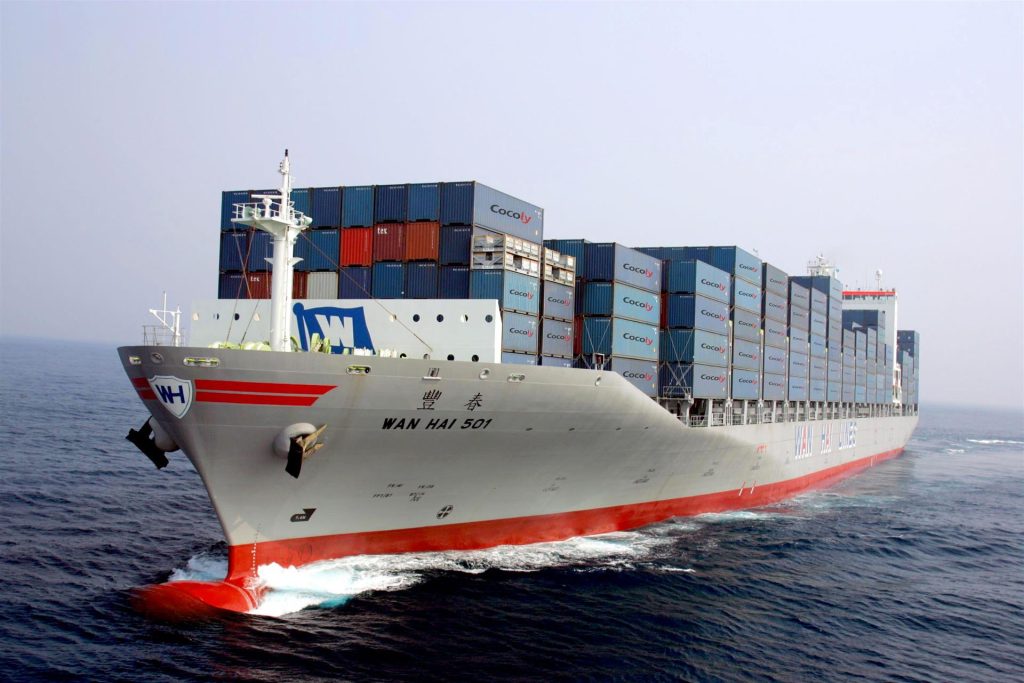
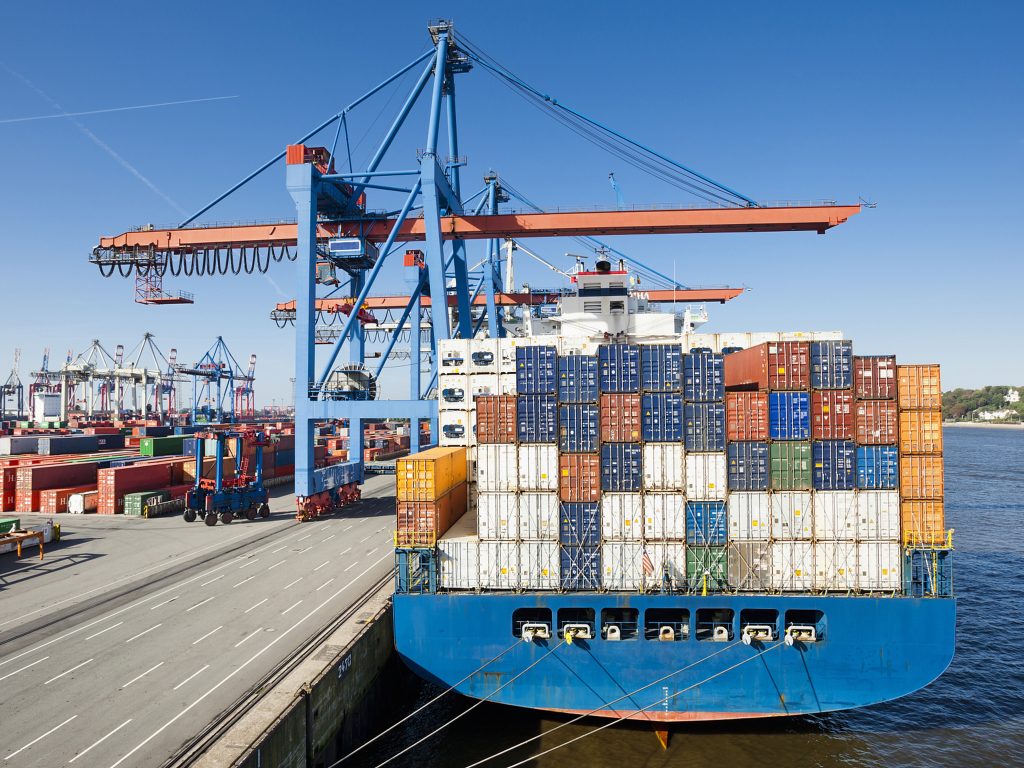
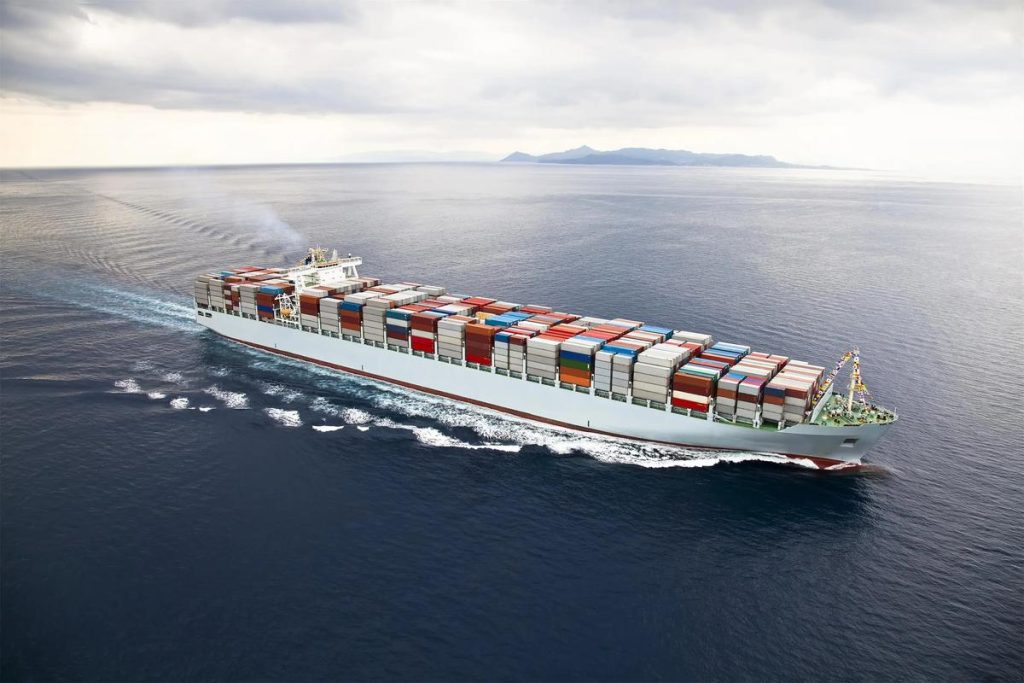
Busan Port, located on the southeastern coast of South Korea, is one of the busiest container ports in Asia and a key hub for international trade. For businesses shipping goods from China, LCL (Less than Container Load) shipping to Busan offers a cost-effective, reliable, and flexible solution, especially for small to medium-sized shipments.
Whether you are exporting electronics, textiles, machinery, or consumer goods, understanding the LCL shipping process, advantages, and best practices is essential for smooth and efficient logistics.
What is LCL Shipping?
LCL shipping refers to transporting cargo that does not occupy an entire container by sharing space with other exporters’ shipments. This allows businesses to ship smaller volumes without incurring the cost of a full container (FCL).
Key Features of LCL Shipping:
- Shared Container Space: Pay only for the cargo volume or weight.
- Flexible Scheduling: Frequent consolidation sailings from major Chinese ports.
- Ideal for Small and Medium Shipments: Especially useful for sample deliveries or seasonal goods.
- Comprehensive Services: Freight forwarders handle consolidation, customs clearance, documentation, and delivery.
Why Choose Busan Port for LCL Shipping?
Busan Port is South Korea’s largest port and the fifth-busiest container port in the world, making it a critical gateway for Chinese exports. Benefits of LCL shipping to Busan include:
- Strategic Location: Busan connects exporters to major industrial and consumer markets across South Korea.
- Advanced Port Facilities: Equipped with modern container terminals, cargo handling systems, and warehousing.
- Efficient Customs Clearance: The port has extensive experience in handling international shipments, ensuring smooth processing.
- Frequent Sailings: Major Chinese ports—Shanghai, Ningbo, Shenzhen, Qingdao, Guangzhou—offer regular LCL sailings to Busan.
- Cost-Effective: Small and medium shipments can save significantly by sharing container space.
Step-by-Step LCL Shipping Process from China to Busan Port
1. Cargo Pickup in China
The freight forwarder arranges pickup from your warehouse or manufacturing facility in China. Popular ports of origin include Shanghai, Ningbo, Shenzhen, Guangzhou, and Qingdao.
Best Practices:
- Ensure all cargo is properly packed and labeled.
- Provide complete documentation, including packing lists and invoices.
- Schedule pickups in advance to align with consolidation departures.
2. Container Consolidation
At the Container Freight Station (CFS), your cargo is combined with other shipments destined for Busan. Proper stacking, labeling, and securing are crucial to prevent damage during transit.
Tips for Consolidation:
- Use pallets, crates, or other protective materials.
- Avoid mixed cargo that could lead to contamination or damage.
- Confirm cargo volume (CBM) and weight for accurate billing.
3. Export Customs Clearance in China
Before departure, shipments must clear Chinese export customs. Required documents include:
- Commercial Invoice
- Packing List
- Export Declaration Form
- Certificate of Origin (if requested)
Experienced freight forwarders usually handle these formalities to ensure compliance.
4. Sea Freight Transit
Once cleared, the consolidated container is loaded onto a vessel bound for Busan Port. Transit times depend on the origin:
- Shanghai, Ningbo, Shenzhen: ~2–5 days
- Qingdao, Tianjin: ~5–7 days
During transit, most forwarders provide shipment tracking services to keep exporters informed.
5. Customs Clearance in Busan
Upon arrival, cargo undergoes inspection and documentation verification at Busan Port. Freight forwarders assist with:
- Filing customs forms
- Paying duties and taxes (if applicable)
- Ensuring compliance with South Korean import regulations
Tips:
- Provide accurate HS codes to avoid delays.
- Forwarders can advise on tariffs and prohibited/restricted goods.
- Prepare additional documentation if shipping sensitive or controlled items.
6. Delivery to Destination
After clearance, cargo is transported to the consignee’s warehouse, distribution center, or retail outlet in Busan or nearby areas. Door-to-door services simplify the last leg of the shipping process.
Advantages of LCL Shipping to Busan Port
- Cost Efficiency: Share container space and reduce shipping costs for smaller shipments.
- Flexible Scheduling: Regular sailings from multiple Chinese ports allow exporters to plan shipments effectively.
- Reduced Inventory Risk: Send smaller shipments more frequently instead of stockpiling large volumes.
- Professional Handling: Freight forwarders manage consolidation, customs, and delivery.
- Direct Access to South Korean Market: Busan Port is well-connected to industrial zones, retail centers, and inland transport networks.
Common Challenges and How to Avoid Them
While LCL shipping offers many benefits, exporters should be aware of potential challenges:
- Longer Transit Time Compared to FCL: Consolidation may add 1–2 days to the total transit time.
Solution: Schedule shipments in advance and communicate with the forwarder. - Risk of Cargo Damage: Shared containers mean additional handling.
Solution: Use durable packaging, secure pallets, and protective materials. - Documentation Errors: Incomplete or incorrect invoices and packing lists can delay customs clearance.
Solution: Double-check all documents and provide them to your forwarder early. - Port Congestion: Busan may experience high traffic during peak seasons.
Solution: Allow buffer time and stay in close contact with your logistics provider.
Tips for Smooth LCL Shipping
- Book Early: Secure consolidation space in advance.
- Accurate Measurements: Ensure weight and volume data are precise for correct shipping costs.
- Reliable Forwarder: Experienced partners streamline documentation, consolidation, and delivery.
- Proper Packaging: Protect fragile items with pallets, crates, or bubble wrap.
- Track Your Shipment: Online tracking allows real-time monitoring of transit status.
Conclusion
LCL shipping from China to Busan Port provides an excellent balance of cost efficiency, flexibility, and reliability for small and medium-sized exporters. By partnering with experienced freight forwarders, businesses can navigate consolidation, customs, and delivery with ease, ensuring that shipments arrive on time and in excellent condition.
Busan Port serves as a strategic gateway for exporters targeting South Korea, offering modern infrastructure, frequent sailings, and access to both industrial and consumer markets. For companies looking to expand their presence in South Korea, LCL shipping to Busan is a smart and practical choice.
Keywords: LCL shipping China to Busan, sea freight to South Korea, China Korea logistics, container consolidation, Busan Port shipping, international freight China to Korea.