

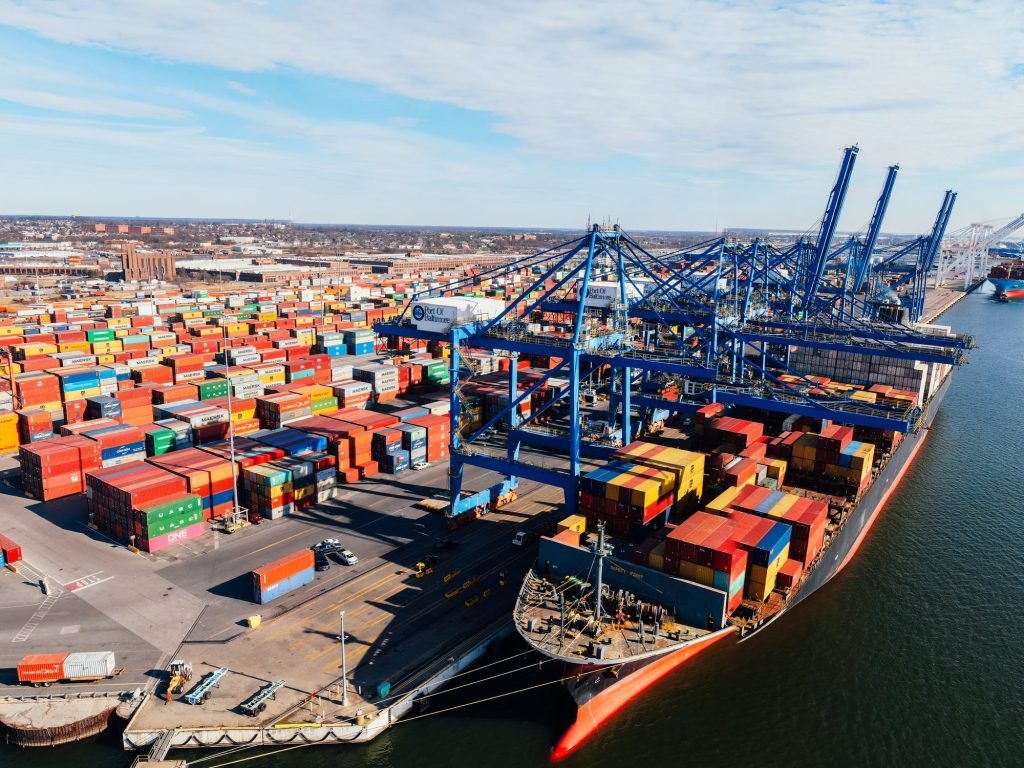
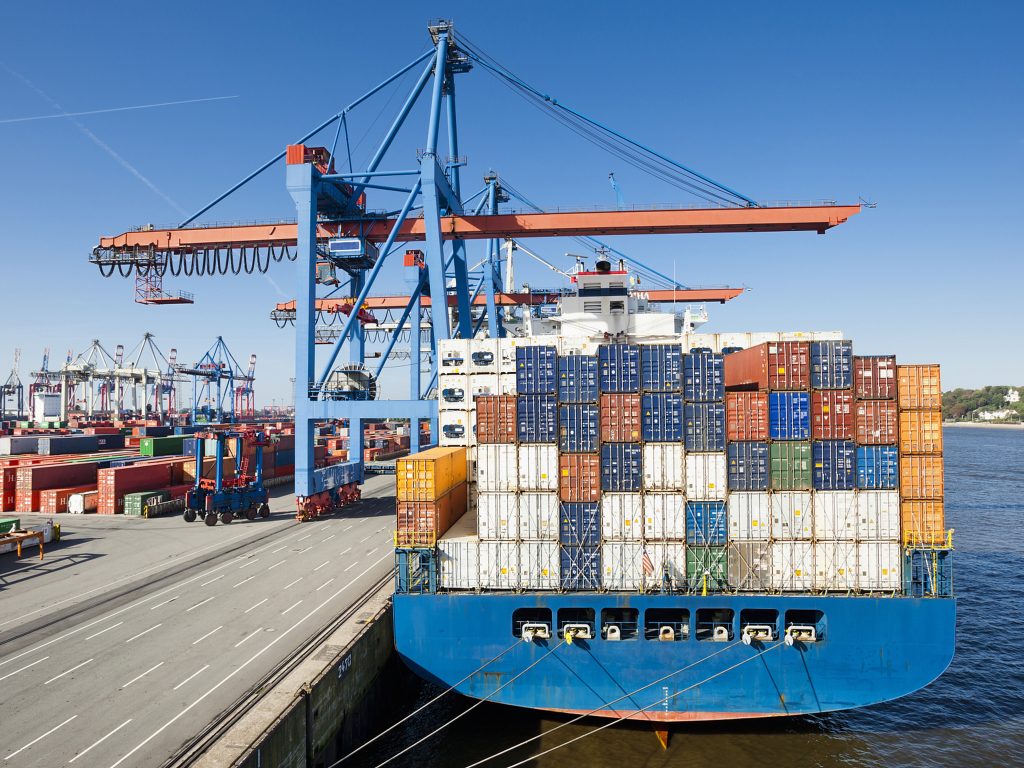
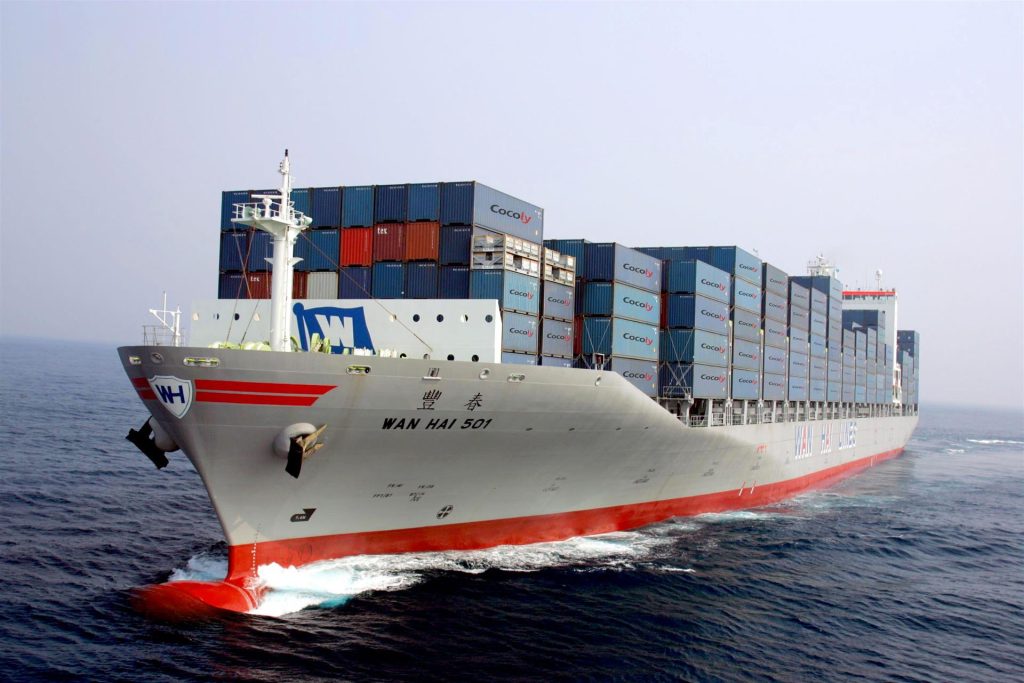
Incheon Port, located on the western coast of South Korea, serves as a major gateway for international trade. For exporters shipping from China, LCL (Less than Container Load) shipping to Incheon provides a cost-effective, flexible, and reliable solution for small and medium-sized shipments. This guide covers the benefits, process, and best practices for LCL shipping from China to Incheon Port.
What is LCL Shipping?
LCL shipping allows exporters to ship cargo that does not fill an entire container by sharing container space with other shipments. This option is ideal for businesses that need to:
- Export small or medium quantities of goods
- Reduce inventory costs
- Maintain frequent and flexible shipping schedules
Advantages of LCL:
- Cost Savings: Only pay for the volume or weight your cargo occupies.
- Flexibility: Choose from multiple sailings and ports in China.
- Professional Handling: Freight forwarders manage consolidation, customs, and delivery.
Why Choose Incheon Port for LCL Shipping?
Incheon Port is South Korea’s second-largest port and a strategic hub for imports and exports. Key reasons to use Incheon Port for LCL shipping include:
- Proximity to Seoul: Incheon is directly connected to South Korea’s capital and major industrial zones.
- Advanced Infrastructure: Modern container terminals, efficient cargo handling, and warehousing options ensure safe and timely delivery.
- Frequent Sailings from China: Major Chinese ports such as Shanghai, Ningbo, Shenzhen, Guangzhou, Qingdao provide regular LCL departures to Incheon.
- Reliable Customs Clearance: Incheon Port has extensive experience processing international shipments, reducing delays.
- Cost Efficiency: Small and medium shipments benefit from shared container space and lower shipping costs.
Step-by-Step LCL Shipping Process from China to Incheon Port
1. Cargo Pickup in China
Freight forwarders arrange pickup from warehouses or factories across China. Common origin ports include Shanghai, Ningbo, Shenzhen, Guangzhou, and Qingdao.
Best Practices:
- Pack cargo securely using pallets, crates, or durable boxes.
- Label shipments clearly with consignee details, weight, and dimensions.
- Provide complete documentation, including commercial invoices and packing lists.
2. Container Consolidation
At a Container Freight Station (CFS), your cargo is consolidated with other shipments headed to Incheon. Proper handling and labeling are essential to avoid damage or misplacement.
Tips for Consolidation:
- Verify cargo dimensions (CBM) and weight for accurate billing.
- Avoid mixing fragile or incompatible goods.
- Confirm packaging integrity to prevent damage during transit.
3. Export Customs Clearance in China
Before departure, shipments must clear Chinese export customs. Documents required include:
- Commercial Invoice
- Packing List
- Export Declaration Form
- Certificate of Origin (if required)
Freight forwarders typically handle these steps, ensuring compliance with Chinese regulations.
4. Sea Freight Transit
Once cleared, the consolidated container is loaded onto a vessel bound for Incheon Port. Typical transit times:
- Shanghai, Ningbo, Shenzhen: ~3–6 days
- Qingdao, Tianjin: ~5–8 days
Forwarders usually provide tracking services to monitor shipment status during transit.
5. Customs Clearance at Incheon Port
Upon arrival, shipments are processed through South Korean customs. Forwarders assist with:
- Documentation verification
- Payment of duties and taxes (if applicable)
- Compliance with import regulations
Tips for Smooth Clearance:
- Ensure HS codes are accurate to prevent delays.
- Prepare additional documents for restricted or controlled goods.
- Use experienced forwarders to streamline customs procedures.
6. Delivery to Destination
After customs clearance, cargo is transported to the consignee’s warehouse, distribution center, or retail outlet. Many forwarders offer door-to-door delivery to simplify the final leg of shipping.
Advantages of LCL Shipping to Incheon Port
- Cost Savings: Share container space and avoid paying for a full container.
- Flexible Schedule: Frequent departures allow exporters to plan shipments efficiently.
- Reduced Inventory Risk: Send smaller shipments more frequently instead of large stockpiles.
- Professional Logistics Support: Forwarders manage consolidation, customs clearance, and delivery.
- Strategic Market Access: Incheon connects to Seoul, Incheon Free Economic Zone, and surrounding industrial hubs.
Common Challenges and Solutions
While LCL shipping is flexible, exporters should consider potential challenges:
- Longer Transit Compared to FCL: Consolidation adds 1–2 days.
Solution: Schedule shipments in advance. - Risk of Damage: Shared containers mean more handling.
Solution: Use strong packaging and secure stacking. - Documentation Errors: Incomplete invoices or packing lists can delay customs.
Solution: Double-check all paperwork before submission. - Port Congestion: High volume at Incheon during peak seasons may cause delays.
Solution: Allow extra buffer time and communicate with your forwarder.
Tips for Efficient LCL Shipping
- Book Early: Secure consolidation space in advance.
- Accurate Measurements: Ensure volume and weight are correct.
- Reliable Forwarders: Experienced partners manage documentation, consolidation, and customs efficiently.
- Proper Packaging: Protect fragile items with crates, pallets, or bubble wrap.
- Track Shipment: Use online tracking to monitor transit and arrival.
Conclusion
LCL shipping from China to Incheon Port is a reliable, cost-effective, and flexible solution for small and medium-sized exporters. By partnering with experienced freight forwarders, businesses can navigate consolidation, customs, and delivery efficiently, ensuring shipments arrive safely and on time.
For companies targeting the South Korean market, Incheon Port provides strategic access to industrial and consumer zones, modern infrastructure, and frequent sailings from Chinese ports. LCL shipping to Incheon is therefore an ideal choice for cost-conscious and time-sensitive exporters.
Keywords: LCL shipping China to Incheon, sea freight to South Korea, China Korea logistics, container consolidation, Incheon Port shipping, international freight China to Korea.