

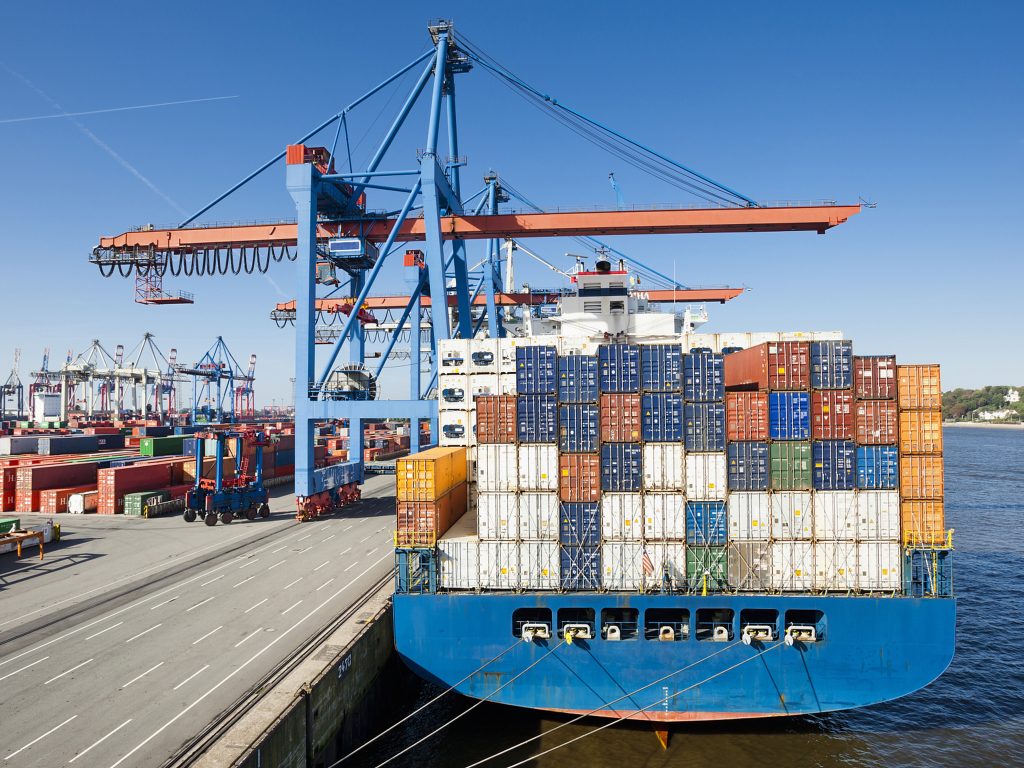
Antwerp Port is one of the largest and most important ports in Europe. Located in northern Belgium, it is often considered the main logistics gateway to Western and Central Europe. For many importers, Antwerp is not just a destination—it’s a distribution hub that connects Belgium, Germany, France, the Netherlands, and beyond.
If you are shipping smaller volumes from China, LCL (Less than Container Load) is often the most flexible and budget-friendly option. Instead of paying for a full container, you only pay for the space your cargo uses. This makes LCL ideal for startups, e-commerce sellers, wholesalers, and businesses testing new markets.
In this guide, we’ll walk through how LCL shipping from China to Antwerp works, including transit time, costs, customs, common products, and real-world tips.
Why Choose LCL Shipping to Antwerp?
Not every shipment needs a full container. Many businesses ship in smaller batches to control inventory and cash flow. That’s where LCL really shines.
Here’s why LCL shipping to Antwerp makes sense:
- You only pay for the space you use
- No need to wait until you can fill a whole container
- Frequent sailings from major Chinese ports
- Easier market testing with smaller orders
- Lower upfront financial risk
- Ideal for mixed or multi-supplier shipments
Because Antwerp is such a major hub, LCL services to this port are well-developed, stable, and reliable.
Main Chinese Ports Offering LCL to Antwerp
LCL shipments to Antwerp are available from nearly all major ports in China, including:
- Shanghai
- Ningbo
- Shenzhen
- Guangzhou
- Qingdao
- Xiamen
- Tianjin
- Dalian
These ports typically offer weekly consolidations, which means your cargo is grouped with others and shipped together in one container.
Transit Time from China to Antwerp (LCL)
Transit time depends on the port of departure, the carrier, and whether transshipment is involved.
Here’s a general estimate:
| Departure Port | Estimated Transit Time |
|---|---|
| Shanghai | 35–42 days |
| Ningbo | 35–42 days |
| Shenzhen | 33–40 days |
| Guangzhou | 33–40 days |
| Qingdao | 36–43 days |
| Tianjin | 38–45 days |
Keep in mind that LCL usually takes a bit longer than FCL because of consolidation and deconsolidation processes.
How LCL Shipping Costs to Antwerp Are Calculated
LCL pricing is usually based on CBM (cubic meters) or weight—whichever is higher.
Typical cost components include:
- Export handling in China
- Consolidation fee
- Ocean freight
- Destination handling charges in Antwerp
- Deconsolidation fee
- Customs clearance
- Optional truck delivery to your warehouse
If your shipment is under 15–20 CBM, LCL is often cheaper than booking a full container.
Common Products Shipped via LCL to Antwerp
Antwerp handles a wide variety of goods from China, especially consumer and industrial products.
Common LCL cargo includes:
- Consumer electronics
- Furniture and home décor
- Clothing and textiles
- LED lights and electrical items
- Kitchenware and household goods
- Hardware and tools
- Auto parts
- Packaging materials
- Promotional products
Because Antwerp connects easily to Germany, France, and the Netherlands, many importers use it as a redistribution point.
Required Documents for LCL Shipping
Documentation mistakes are one of the most common reasons for customs delays. Make sure these are prepared correctly:
- Commercial Invoice
- Packing List
- Bill of Lading (House B/L for LCL)
- HS codes
- Certificate of Origin (if required)
- Import permits (for restricted items)
Accuracy is critical—especially with product descriptions and values.
Customs Clearance in Antwerp
Belgium follows EU customs rules, so if your goods enter the EU through Antwerp, they are usually cleared for the entire EU market.
Key points:
- Import VAT is usually 21%
- Customs duties depend on the HS code
- Some goods require CE marking or product compliance
- Food, cosmetics, medical items, and electronics may require extra documentation
Most LCL shipments clear customs in 2–4 working days if everything is in order.
Warehousing and Distribution
Antwerp is famous for its logistics infrastructure. You’ll find:
- Bonded warehouses
- Free trade zones
- Pick-and-pack services
- Re-labeling and repacking
- Temperature-controlled storage
- Fast trucking connections across Europe
Many importers store their goods near the port and distribute to Germany, France, and the Netherlands within 24–48 hours.
LCL vs FCL: Which One Should You Choose?
| Factor | LCL | FCL |
|---|---|---|
| Cost | Lower for small volumes | Better for large volumes |
| Flexibility | High | Medium |
| Speed | Slightly slower | Faster |
| Risk | Shared container | Exclusive container |
| Best for | SMEs, test orders, variety | Bulk shipments |
If you ship under 15 CBM, LCL usually makes more sense.
Tips for Smooth LCL Shipping to Antwerp
Here are some real-world tips that save time and money:
- Combine goods from multiple suppliers into one LCL shipment
- Use strong, stackable packaging
- Label cartons clearly
- Avoid peak seasons (before Christmas, Chinese New Year)
- Double-check HS codes
- Work with a forwarder experienced with Antwerp customs
- Track your shipment regularly
Why Antwerp Is So Important for European Trade
Antwerp isn’t just big—it’s strategically powerful.
- One of Europe’s top three ports
- Deep-water access for mega vessels
- Excellent rail, road, and barge connections
- Direct access to Germany, France, and the Netherlands
- Advanced digital customs systems
Many companies use Antwerp not just as an entry port, but as their main European logistics base.
Final Thoughts
LCL shipping from China to Antwerp Port is one of the smartest options for small and medium-sized importers. It offers flexibility, cost control, and access to the entire European market.
With strong infrastructure, efficient customs, and unmatched connectivity, Antwerp continues to be a top choice for global trade.
If you plan carefully, prepare correct documents, and work with the right logistics partners, LCL shipping to Antwerp can be smooth, predictable, and highly profitable.