

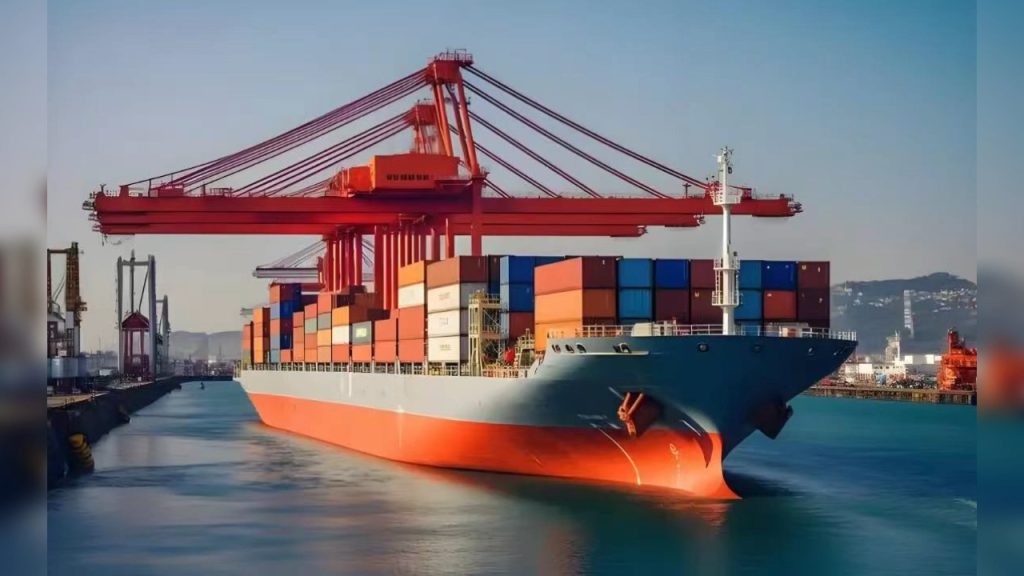
Rotterdam Port is not only the largest port in Europe, but also one of the most advanced logistics hubs in the world. For many importers, Rotterdam is not just a port—it is the main gateway into the European market. From here, goods can reach Germany, France, Belgium, and other EU countries within days.
If you ship smaller volumes from China, LCL (Less than Container Load) is often the most practical option. Instead of paying for a full container, you share space with other shippers and only pay for what you use. This makes LCL perfect for startups, wholesalers, e-commerce sellers, and companies managing inventory in smaller batches.
This guide explains how LCL shipping from China to Rotterdam works, including costs, transit time, customs, and how to avoid common mistakes.
Why Importers Choose LCL Shipping to Rotterdam
Not every business needs a full container. Many importers prefer smaller, more frequent shipments. LCL makes that possible.
Here’s why LCL to Rotterdam is so popular:
- Lower cost for small shipments
- No need to wait until you can fill a container
- Regular weekly departures from China
- Lower cash flow pressure
- Easier to test new products or suppliers
- Access to the entire EU market
Because Rotterdam is such a major port, LCL services are very stable and well-organized.
Main Chinese Ports Offering LCL to Rotterdam
LCL services to Rotterdam are available from almost all major ports in China:
- Shanghai
- Ningbo
- Shenzhen
- Guangzhou
- Qingdao
- Xiamen
- Tianjin
- Dalian
Most of these ports offer weekly consolidations, meaning your cargo is grouped with others into one container.
Transit Time from China to Rotterdam (LCL)
LCL usually takes a little longer than FCL because of consolidation and unpacking at destination.
Here are typical transit times:
| Departure Port | Estimated Transit Time |
|---|---|
| Shanghai | 35–42 days |
| Ningbo | 35–42 days |
| Shenzhen | 33–40 days |
| Guangzhou | 33–40 days |
| Qingdao | 36–43 days |
| Tianjin | 38–45 days |
Weather, congestion, and transshipment routes can affect timing.
How LCL Shipping Costs Are Calculated
LCL rates are usually based on CBM (cubic meters) or gross weight—whichever is higher.
Common cost components include:
- Export handling in China
- Consolidation fee
- Ocean freight
- Rotterdam terminal handling
- Deconsolidation fee
- Customs clearance
- Optional trucking to your warehouse
If your cargo is under 15–20 CBM, LCL is often cheaper than FCL.
Common Products Shipped via LCL to Rotterdam
Rotterdam handles almost everything you can imagine.
Typical LCL cargo from China includes:
- Consumer electronics
- Furniture and home goods
- Clothing and textiles
- Lighting products
- Hardware and tools
- Kitchenware
- Auto parts
- Promotional products
- Packaging materials
Many businesses import into Rotterdam and then distribute throughout the EU.
Required Documents for LCL Shipping
Paperwork errors cause more delays than anything else. Make sure these documents are correct:
- Commercial Invoice
- Packing List
- Bill of Lading (House B/L)
- HS codes
- Certificate of Origin (if required)
- Import licenses for restricted items
Descriptions must match the actual cargo. Customs officers check this closely.
Customs Clearance in Rotterdam
The Netherlands has one of the most efficient customs systems in Europe.
Key points:
- Import VAT is usually 21%
- Duties depend on HS code
- CE compliance is required for many products
- Food, cosmetics, electronics, and medical goods need extra documents
If your goods are cleared in Rotterdam, they are usually free to move across the EU.
Warehousing and Distribution Advantages
Rotterdam is famous for logistics.
You’ll find:
- Bonded warehouses
- Free trade zones
- Pick & pack services
- Labeling and repackaging
- Cold storage
- Same-day or next-day trucking across Europe
Many importers use Rotterdam as their main EU fulfillment center.
LCL vs FCL: Which One Is Right for You?
| Factor | LCL | FCL |
|---|---|---|
| Cost | Better for small volumes | Better for large volumes |
| Flexibility | Very high | Medium |
| Speed | Slightly slower | Faster |
| Risk | Shared container | Private container |
| Ideal for | SMEs, mixed shipments | Bulk importers |
If you ship under 15 CBM, LCL is usually the smarter choice.
Practical Tips for LCL Shipping to Rotterdam
Here’s what experienced importers do:
- Combine goods from multiple suppliers
- Use strong packaging
- Avoid peak seasons (Q4, before Chinese New Year)
- Confirm HS codes in advance
- Ask for all-in pricing
- Track your shipment weekly
- Use a forwarder who knows Rotterdam
Small mistakes can cause big delays—preparation matters.
Why Rotterdam Is Europe’s Top Port
Rotterdam isn’t just big—it’s efficient.
- Largest port in Europe
- Deep-water access for mega vessels
- Fully digital customs systems
- Excellent rail, barge, and road networks
- Fast clearance and transshipment
For many companies, Rotterdam is the heart of their European supply chain.
Final Thoughts
LCL shipping from China to Rotterdam is one of the most flexible and cost-efficient ways to enter the European market. It allows you to control inventory, reduce financial risk, and scale your business step by step.
With its unmatched infrastructure, fast customs systems, and EU-wide access, Rotterdam remains the top choice for serious importers.
If you plan well and choose the right logistics partner, LCL shipping to Rotterdam can be smooth, predictable, and profitable.