

The Strategic Advantage: Sourcing Top-Tier LCL Freight Forwarders in the Yangtze & Pearl River Deltas
For businesses scaling their supply chains, the choice of a freight forwarder is as critical as the product itself. While general agents are easy to find, securing a first-hand consolidator (LCL “NVOCC”) directly from China’s manufacturing hubs can drastically alter your landed costs and transit times.
The secret to reliable, cost-effective sea freight lies in the geography of the forwarder. This guide explores why focusing your search on the Yangtze River Delta (Shanghai/Ningbo) and the Pearl River Delta (Shenzhen/Guangzhou) is the smartest move for importers seeking true “First-Hand” shipping solutions.
1. Why Location Dictates Logistics Efficiency
China’s logistics landscape is not uniform. The two major economic zones offer distinct advantages:
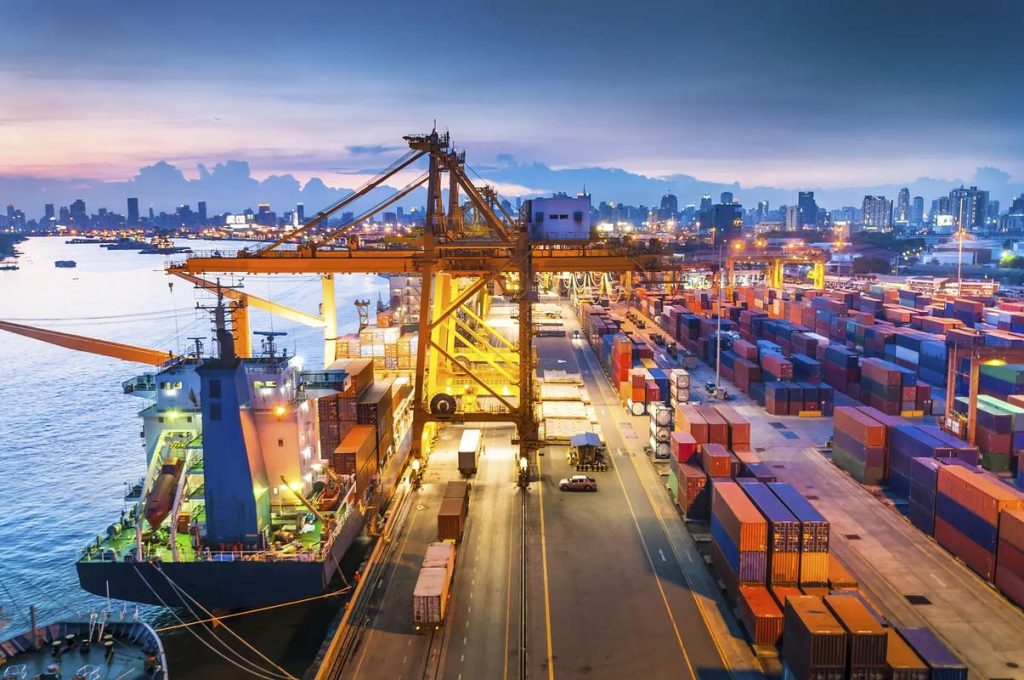
- Pearl River Delta (PRD): The hub for electronics, furniture, and light industrial goods. A forwarder based here has immediate access to the world’s busiest ports (Shenzhen/Yantian) and the most frequent sailings to North America and Europe.
- Yangtze River Delta (YRD): The center for textiles, machinery, and high-tech manufacturing. With Shanghai and Ningbo ports, these forwarders often provide better rates for cargo originating in central China and offer more robust rail-sea intermodal solutions.
A forwarder physically located in these zones operates where the ships dock and the containers are stuffed. This proximity eliminates layers of middlemen.
2. The “First-Hand” Difference: Cutting Out the Middlemen
Many overseas brokers are actually “sub-brokers.” They buy space from a consolidator, who bought space from a carrier. This creates a markup chain.
A First-Hand LCL Consolidator (often called a “First-Hand Load Port Agent”) possesses:
- Direct Carrier Contracts: They have volume agreements with shipping lines like COSCO, Maersk, or Evergreen, securing rates that small agents cannot access.
- Self-Owned Warehouses: They control the consolidation process. This means better cargo security and more accurate documentation.
- Port Priority: In times of congestion (like peak season), first-hand players get priority for container releases and loading slots.
When you work with a forwarder in these regions, you are buying directly from the source.
3. Key Traits of a High-Quality Consolidator
To identify a top-tier partner in these competitive regions, look for these specific operational traits:
A. Transparent Rate Structures
Beware of “all-in” rates that hide local charges. A reputable Delta-based forwarder will clearly distinguish between Ocean Freight, BAF (Bunker Adjustment Factor), and local port fees (THC, Documentation).
B. Advanced Consolidation Technology
The best forwarders use AI-driven systems to optimize container loading. For LCL shipments, efficient consolidation means you pay for less volume (CBM). Ask if they use digital twin technology or advanced WMS (Warehouse Management Systems) to maximize space.
C. Destination Port Synergy
A true “First-Hand” agent doesn’t just drop the container at the port. They have a vetted network of “break bulk” agents at the destination. This ensures that when your LCL shipment arrives, the deconsolidation process is seamless and free of unexpected “last-mile” fees.
4. Navigating the 2024 Logistics Landscape
The market is shifting from “space guarantee” to “cost efficiency.” With the integration of digital platforms, forwarders in Shanghai and Shenzhen are now offering real-time quoting engines.
For importers, this means you should prioritize forwarders who offer digital visibility. If your forwarder in the Yangtze or Pearl River Delta cannot provide a API-integrated tracking system that updates from the factory floor to your door, they are operating with outdated infrastructure.
Conclusion
Sourcing a freight forwarder from the Yangtze River Delta or Pearl River Delta is about leveraging the epicenter of global trade. By choosing a first-hand consolidator, you gain direct access to carrier contracts, better port handling, and lower overall costs.
Stop paying for layers of logistics middlemen. Focus your search on the hubs where the ships are loaded, and transform your shipping from a cost center into a competitive advantage.