

One of the most common questions in international logistics is: “Should I choose air freight or sea freight?”
The wrong decision can lead to unnecessary high costs, delayed delivery, or inefficient supply chain performance. The right choice, however, can help you balance cost, speed, and reliability effectively.
This article explains the differences between air freight and sea freight, and how a professional China freight forwarder helps you choose the best option.
Why Choosing the Right Shipping Method Matters
Your shipping method directly affects:
- Total logistics cost
- Delivery speed
- Customer satisfaction
- Inventory turnover
- Business profit margin
Many importers lose money simply because they choose the wrong transportation method.
Air Freight vs Sea Freight: Key Differences
✈️ Air Freight
Air freight is the fastest international shipping method.
Best for:
- Urgent shipments
- High-value products
- Lightweight cargo
- Time-sensitive orders
Advantages:
- Very fast delivery (3–7 days typical)
- High reliability and schedule accuracy
- Lower risk of damage
Disadvantages:
- High cost per kilogram
- Limited cargo volume
- Not suitable for heavy shipments
🚢 Sea Freight
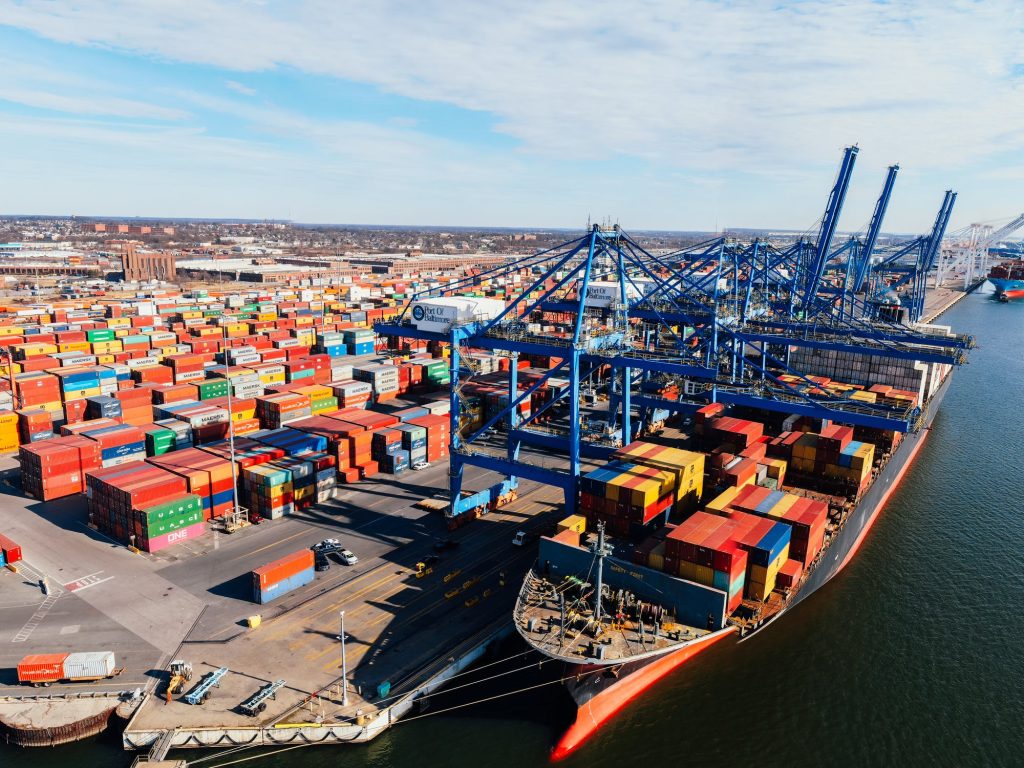
Sea freight is the most commonly used method for global shipping from China.
Best for:
- Bulk cargo
- Heavy goods
- Non-urgent shipments
- Cost-sensitive imports
Advantages:
- Very low shipping cost
- Suitable for large volumes
- Flexible container options (FCL/LCL)
Disadvantages:
- Longer transit time (15–45 days)
- Possible port delays
- Slower inventory turnover
How to Choose the Right Shipping Method
A professional freight forwarder will evaluate your shipment based on these factors:
1. Delivery Time Requirement
If your customers need fast delivery, air freight is better.
If time is flexible, sea freight saves cost.
2. Product Value
- High-value goods → Air freight
- Low-cost bulk goods → Sea freight
3. Cargo Weight and Volume
- Small/light shipments → Air freight
- Large/heavy shipments → Sea freight
4. Profit Margin Consideration
If your profit margin is low, sea freight is usually the better choice.
5. Seasonal Demand
During peak seasons:
- Air freight becomes expensive
- Sea freight space becomes limited
Planning in advance is critical.
Hybrid Shipping Strategy (Best of Both Worlds)
Many successful importers do not choose only one method. Instead, they use a combined logistics strategy:
- Air freight for urgent orders or samples
- Sea freight for bulk inventory restocking
This approach balances speed and cost effectively.
How a Freight Forwarder Helps You Decide
A professional China freight forwarder provides:
1. Cost Comparison Analysis
They compare air vs sea freight total cost, not just shipping rate.
2. Route Optimization
Selecting fastest and most cost-efficient routes.
3. Customs & Destination Planning
Ensuring smooth clearance regardless of method.
4. Space & Schedule Booking
Securing reliable carrier space in advance.
Common Mistakes Importers Make
Avoid these costly mistakes:
- Choosing air freight for non-urgent bulk cargo
- Using sea freight for urgent customer orders
- Ignoring total landed cost (not just freight price)
- Not planning inventory cycles
- Booking without professional guidance
Who Needs This Service?
This solution is ideal for:
- Amazon FBA sellers
- Wholesale importers
- E-commerce businesses
- Manufacturing companies
- First-time importers from China
Conclusion
Air freight and sea freight both have advantages, but the best choice depends on your cost structure, delivery timeline, and business strategy.
A professional freight forwarder helps you analyze your cargo and choose the most efficient solution, ensuring you save money while maintaining delivery performance.
👉 If you are unsure whether to ship by air or sea from China, contact a professional logistics team for a customized shipping plan and cost comparison.