

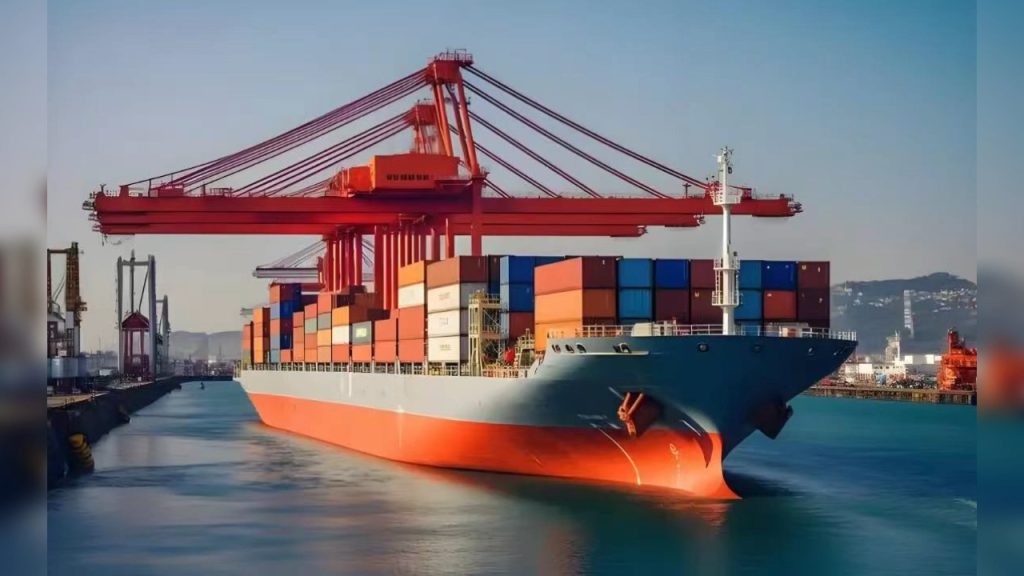
Operational Resilience in the Face of Regulatory Fragmentation
The global transport of dangerous goods (DG) originating from China is defined by a single reality: regulatory fragmentation. A shipment compliant with Chinese GB standards may be rejected in Rotterdam or Chicago due to divergent state variations or carrier policies.
As a DG Program Manager with 20 years in the field, I outline the operational architecture required to move hazardous materials from Chinese factories to worldwide destinations without regulatory friction.
1. The Triad of Compliance: Origin, Transit, Destination
Expert support is not about moving the box; it is about harmonizing three distinct legal frameworks.
| Jurisdiction | Governing Body | Critical Control Point |
|---|---|---|
| Origin (China) | Maritime Safety Administration (MSA) / CAAC | Pre-declaration Audit: Ensuring the MSDS aligns with GB/T 16483 and the UN number matches the inventory list. |
| Transit (Carrier) | IATA / IMO / ADR | Carrier Acceptance: Meeting airline-specific variations (e.g., Cargolux vs. Emirates SkyCargo). |
| Destination | Local Competent Authority | Import Permits: Securing import licenses (e.g., EPA in the US, ECHA in EU) before departure. |
2. Modal Expertise: Technical Requirements by Route
2.1 Air Freight: The “Hard Stop” Scenarios
Air freight is the most restrictive. Expert forwarders mitigate the following technical barriers:
| Issue | Technical Solution |
|---|---|
| Lithium Battery SoC > 30% | Coordination with the factory to discharge cells to ≤30% State of Charge prior to packaging. |
| Strong Magnets (>0.159 A/m) | Applying triple-layer magnetic shielding and conducting a compass deflection test to meet IATA Packing Instruction 902. |
| Dry Ice (UN 1845) | Calculating sublimation rates to ensure ventilation holes in the outer packaging meet IATA PI 954 requirements. |
2.2 Sea Freight: The Segregation Matrix
For sea freight, the challenge is stowage compatibility.
| Hazard Combination | Risk | Expert Intervention |
|---|---|---|
| Class 3 + Class 8 | Fire intensification / Acid release. | Booking stowage category “On Deck Only” and ensuring a 3-meter horizontal separation. |
| Class 5.1 + Organic Solids | Catalytic ignition. | Verifying segregation code SG12 is applied in the Bay Plan. |
3. Documentation Engineering: Beyond the Template
A common failure point is the Shipper’s Declaration for Dangerous Goods (DGD). Expert support involves:
- Proper Shipping Name (PSN) Validation: Ensuring the PSN matches the UN number exactly (e.g., using “Lithium ion batteries” instead of “Li-ion Cells”).
- Emergency Response Codes: Correctly assigning the ERG Code (e.g., 9L for Lithium batteries) for first responders.
- 24-Hour Emergency Contact: Providing a phone number that is monitored globally, not just in China.
4. Case Study: Shipping UN 3481 (Lithium Ion Batteries) to Frankfurt
| Step | Operation | Technical Detail |
|---|---|---|
| 1. Factory Audit | Verify UN38.3 Test Summary. | Ensure test lab is ISO 17025 accredited. |
| 2. Packaging | Use UN certified 4G boxes. | Drop test certification must be within 5 years. |
| 3. Booking | Carrier: Lufthansa Cargo. | Requires PI 965 Section IA approval; no passenger aircraft. |
| 4. Customs | Shanghai Pudong Airport. | DG Manifest must match IATA DGD exactly; no discrepancies in net weight. |
| 5. Destination | Frankfurt Airport (FRA). | German BAM (Bundesanstalt für Materialforschung) may require additional documentation for lithium content. |
5. Global Network Support: The “Handshake” Protocol
Expert forwarders operate on a “Handshake” protocol between origin and destination agents.
| Region | Local Requirement | Forwarder Action |
|---|---|---|
| USA | PHMSA Registration | Ensure the US agent is registered with the Pipeline and Hazardous Materials Safety Administration. |
| EU | ADR 1.1.3.6 | Apply Limited Quantity (LQ) exceptions where applicable to reduce costs. |
| Australia | CASA Exemption | Pre-apply for Civil Aviation Safety Authority exemptions for specific DG types. |
FAQ: Solving Global DG Logistics Problems
Q1: Can I use the same MSDS for China, Europe, and the USA?
A: No. While the core data is similar, formatting and language differ. The US requires OSHA HazCom 2012 (GHS-aligned); the EU requires CLP regulation compliance; China requires GB/T 16483. An expert forwarder will manage these versions.
Q2: What is the biggest cause of DG shipment rejection at foreign airports?
A:Incorrect or missing Shipper’s Declaration. If the declaration is not signed by a trained person (IATA Cat. 6), or if the ERG code is missing, the shipment is rejected instantly.
Q3: How do you handle “dual-use” chemicals that might be precursors?
A: We screen against Wassenaar Arrangement and Australia Group control lists. If a chemical is listed, we require an End-User Certificate (EUC) before booking.
Q4: Is it possible to ship DG via LCL (Less than Container Load) worldwide?
A: It is extremely restricted. Most ports prohibit mixing DG with general cargo in LCL. If allowed (e.g., Class 9 with general cargo), it requires special stowage certificates and high premiums.
Q5: What happens if there is a spill during transit?
A: An expert forwarder provides a 24/7 Emergency Response Number linked to a hazmat response team. They coordinate with the carrier and local authorities using the ERG Guide specified on the DGD.
Conclusion: Expertise is the Ultimate Insurance Policy
Worldwide DG logistics from China is a high-stakes environment. The difference between success and catastrophic failure lies in the technical rigor applied at the origin.
Ready to ship dangerous goods with global confidence?
Contact our DG command center for a route-specific risk assessment and booking authorization.