

When importing goods from China to the United States, logistics costs can make or break your business profit margins. Every importer, from small e-commerce startups to established wholesalers, asks the same critical question: What is the cheapest way to ship from China to the USA?
The short answer is that the “cheapest” method depends entirely on the volume, weight, and urgency of your cargo. To help you make the most cost-effective decision, this guide provides a transparent comparison of the three primary shipping methods: Ocean Freight, Air Freight, and Express Courier.
1. Ocean Freight (Sea Freight): The King of Cost-Efficiency
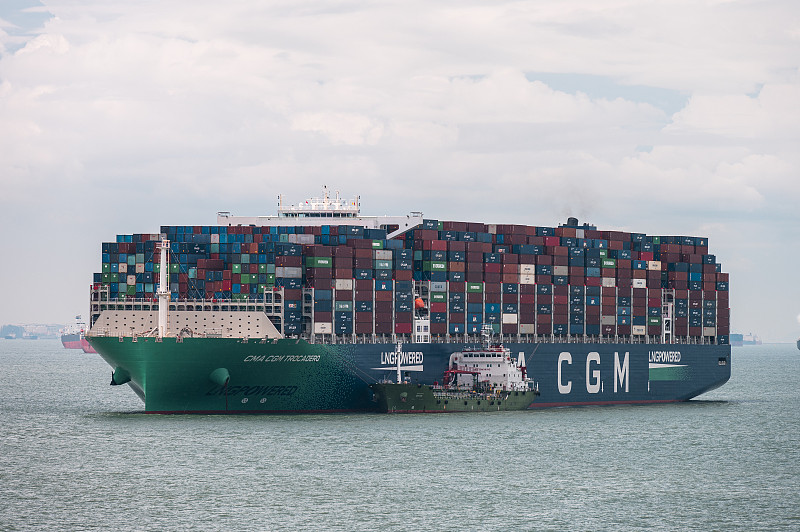
If you are shipping large quantities, heavy goods, or bulky items, Sea Freight is undeniably the cheapest way to ship from China to the USA.
Ocean freight is calculated by volume (Cubic Meters, or CBM) rather than weight, making it incredibly economical for large-scale logistics. It is divided into two types:
- LCL (Less than Container Load): Your goods share container space with other importers. You only pay for the volume your cargo occupies. This is ideal for shipments between 1 and 15 CBM.
- FCL (Full Container Load): You rent an entire 20ft or 40ft container. If you have enough cargo to fill (or mostly fill) a container, FCL offers the lowest possible shipping cost per unit.
- The Catch: It is slow. Sea freight transit times from China to the US typically range from 15 to 40 days, depending on whether you are shipping to the West Coast (LA/Long Beach) or the East Coast (New York/Savannah).
2. Air Freight: The Middle Ground for High-Value Goods
Air freight is calculated based on “chargeable weight” (a formula combining actual weight and volumetric weight). While it is significantly more expensive than sea freight, it becomes cost-effective under specific conditions.
If your shipment is between 100 kg and 300 kg, and you need the goods within 5 to 10 days, air freight is a viable option. It is particularly suited for high-value, low-volume products (like electronics or fashion apparel) where the cost of shipping is small compared to the value of the product, and getting to market quickly is critical.
- The Catch: Rates fluctuate heavily based on peak seasons (such as Q4 before the holidays). It is not financially feasible for heavy or low-margin items.
3. Express Freight (DHL, FedEx, UPS): Cheapest for Small Parcels
When you look at the cost per kilogram, international express couriers are the most expensive option. However, if your shipment weighs less than 40 kg to 50 kg (like factory samples or small inventory batches), Express is actually the cheapest total-cost option.
Why? Because express shipping avoids the complex local port fees, customs brokerage charges, and inland trucking costs associated with sea and traditional air freight. It is a true door-to-door service that delivers in 3 to 5 business days.
Summary Table: Which Should You Choose?
| Shipping Mode | Best Weight/Volume Range | Avg. Transit Time (China to US) | Cost Level | Best Suited For |
|---|---|---|---|---|
| Sea Freight (LCL/FCL) | Over 100 kg / > 1 CBM | 15 – 40 Days | Lowest ($) | Bulky, heavy, or low-margin goods; planned inventory |
| Air Freight | 100 kg – 500 kg | 5 – 10 Days | Medium ($$$) | High-value items, urgent stock replenishment |
| Express Courier | Under 45 kg |
Conclusion: How to Maximize Your Savings
To get the absolute lowest rates, do not just accept the first quote you receive. Partner with an experienced China freight forwarder who can analyze your cargo and offer hybrid solutions—such as Sea DDP (Double Clearance Packaged Tax), which combines the low cost of ocean freight with the convenience of local courier delivery (UPS/FedEx) in the US.
Frequently Asked Questions (FAQ)
Q1: What is the absolute cheapest shipping option for Amazon FBA sellers?
For Amazon FBA sellers with large inventory runs, Sea Freight DDP (Delivered Duty Paid) is the most cost-effective method. Your China freight forwarder handles all ocean transit, customs clearance, and US duties, and then arranges for a local carrier (like UPS or an LTL trucking company) to deliver the goods directly into Amazon’s fulfillment centers.
Q2: Why is my air freight quote higher than the actual weight of my boxes?
Air freight uses a metric called Chargeable Weight, which is the greater of the actual weight or the Volumetric (Dimensional) Weight. The standard air formula is \text{Length} \times \text{Width} \times \text{Height (cm)} / 5000. If you are shipping light but bulky items (like plush toys or pillows), you will be charged based on the space they occupy, not how much they weigh.
Q3: Are there hidden fees in the cheapest sea freight quotes?
Yes, frequently. If you choose standard port-to-port shipping (like CIF terms), a factory might give you a very low freight price. However, when the goods arrive at the US port, you will be hit with massive destination terminal handling charges (DTHC), customs bond fees, and exam fees. To avoid this, ask your forwarder for a Door-to-Door DDP quote to see the true, all-inclusive cost.
Q4: How does the US holiday season affect shipping prices from China?
Shipping rates spike dramatically during Peak Season, which runs from September to January (leading up to Black Friday, Christmas, and Chinese New Year). Space on ships and planes becomes limited, causing prices to double or even triple. To save money, try to ship your inventory ahead of time during the slacker seasons (March to July).