

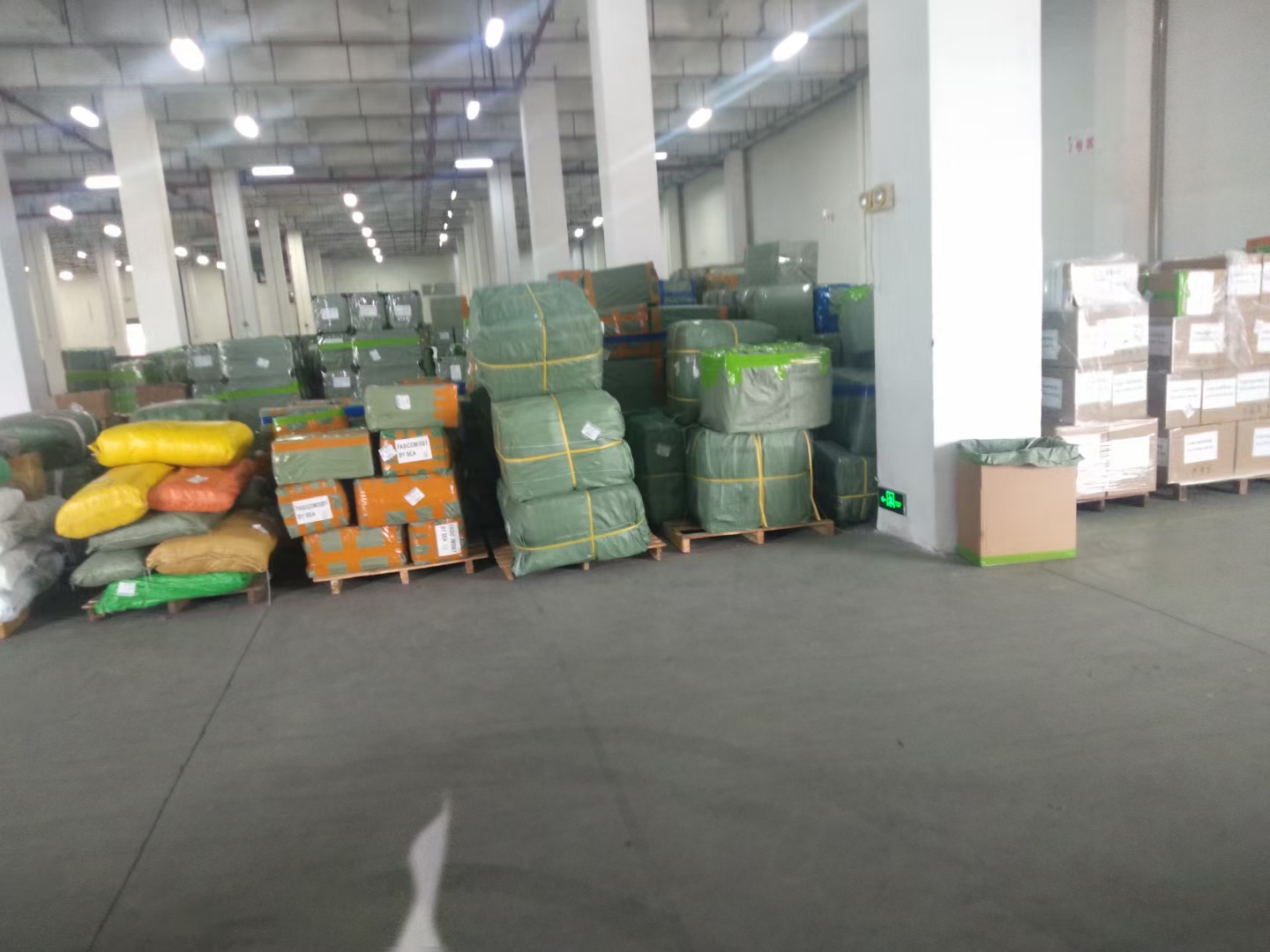
When importing goods from China, shipping via ocean freight is universally known as the most cost-effective method for bulk cargo. However, many small and medium-sized businesses (SMBs) faces a common dilemma: What if your order isn’t large enough to fill an entire 20-foot or 40-foot shipping container?
This is where LCL (Less than Container Load) shipping comes to the rescue. LCL allows multiple importers to share space within a single container. You only pay for the exact volume (measured in cubic meters) that your cargo occupies.
While LCL is naturally cheaper than renting a whole container for small shipments, it comes with its own unique fee structures and operational rules. Here is a comprehensive guide on how LCL shipping works and how you can maximize your savings.
1. Understanding How LCL Pricing Works
To save money on LCL shipping, you first need to understand how you are being billed. Unlike FCL (Full Container Load), which charges a flat rate per container, LCL is priced based on volume, specifically per Cubic Meter (CBM) or per ton, whichever is greater.
The basic formula for calculating CBM is:
Because your goods will be handled multiple times—loaded into a warehouse, packed into a container with other cargo, unpacked at the destination port, and sorted again—LCL rates include warehouse handling and consolidation charges that FCL shipments typically avoid.
2. Top Strategies to Save Money on China LCL Shipping
Optimize Your Packaging (Minimize Wasted Space)
Since you are paying by the cubic meter, any empty space inside your boxes or pallets is money thrown away. Work closely with your Chinese manufacturer to ensure products are packed tightly. Use custom-sized cartons that leave no dead space, and avoid over-padding unless the items are highly fragile.
Avoid “Free Shipping” Trap (CIF/CFR Terms)
Many beginner buyers fall for suppliers who offer “free shipping” or incredibly cheap sea freight under CIF (Cost, Insurance, and Freight) terms.
The harsh reality: The supplier uses a local Chinese forwarder who packs the container and passes massive, inflated “destination handling charges” onto you once the cargo arrives at your local port. To save money, always control your own logistics by hiring a nominated China freight forwarder under EXW or FOB terms.
Consider LCL DDP (Door-to-Door, Customs Duty Paid)
If you are shipping to a residential address, a commercial office, or an Amazon FBA warehouse, ask your forwarder for a Sea Freight DDP quote. This is a specialized LCL service where the forwarder consolidates the goods, handles all customs clearances, pays the import tariffs, and uses local couriers (like UPS or FedEx) for final delivery. It bypasses expensive traditional port fees and is often the cheapest all-inclusive route for shipments between 1 and 5 CBM.
Conclusion
LCL shipping is the backbone of growth for scaling e-commerce brands and importers sourcing from China. By understanding how CBM affects your bottom line, avoiding deceptive supplier shipping terms, and optimizing your product packaging, you can slash your logistics costs and keep your supply chain highly competitive.
Frequently Asked Questions (FAQ)
Q1: When should I switch from LCL to FCL (Full Container Load)?
The tipping point typically lies around 15 CBM. A standard 20-foot container holds roughly 28 to 30 CBM of cargo. However, because LCL terminal fees per CBM are higher than FCL rates, it is often more cost-effective to book an entire 20ft container (FCL) once your shipment volume exceeds 14 or 15 CBM, even if the container is only half full.
Q2: Does LCL shipping take longer than FCL?
Yes, LCL shipping generally takes 5 to 10 days longer than FCL. This extra time is required at the port of origin for the freight forwarder to sort and pack (consolidate) multiple shipments into one container, and at the destination port to unpack (de-consolidate) the container and sort the goods for individual buyers.
Q3: How do I prevent my items from being damaged in a shared container?
Since your goods share a container with heavy or oddly shaped items from other importers, heavy-duty packaging is vital. Ensure your supplier uses high-quality, corrugated double-wall cartons. For heavy or fragile goods, request palletization with clear shrink-wrapping and edge protectors to prevent shifting during transit.
Q4: Can I ship hazardous or sensitive goods via standard LCL?
Standard LCL channels generally reject hazardous materials, liquids, powders, and items containing large batteries because they pose a risk to other importers’ cargo in the same container. If you are shipping sensitive goods, you must notify your freight forwarder upfront so they can place your items into specialized, legally compliant consolidation channels.