

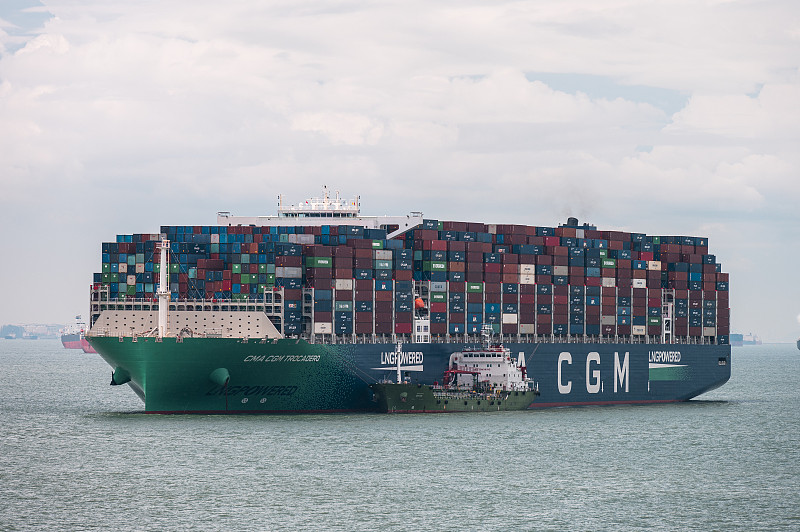
Choosing the right freight forwarding service is an important decision for any company importing goods from China. A freight forwarder does much more than arrange transportation. Depending on the service, a forwarder may coordinate supplier pickup, warehousing, export customs, international transportation, import customs clearance and final delivery.
For new importers, the biggest challenge is often understanding which service is appropriate for their cargo. A small sample shipment may need express delivery, while a full container of products may require FCL ocean freight. Urgent inventory may be better suited to air freight, while certain China-Europe shipments may benefit from rail or multimodal transportation.
This guide explains the main China freight forwarding services, how they work, what costs to consider and how to choose a reliable logistics partner.
1. What Does a China Freight Forwarder Do?
A freight forwarder coordinates the movement of goods between the supplier and the buyer.
Depending on the agreed service, the forwarder may arrange:
- Factory pickup
- Domestic trucking
- Warehousing
- Cargo consolidation
- Export customs clearance
- Ocean freight
- Air freight
- Rail freight
- Import customs clearance
- Duties and taxes arrangements
- Final-mile delivery
- Shipment tracking
The exact services depend on the quotation, route, cargo and Incoterm.
A freight forwarder is therefore an important link between the Chinese supplier, transportation carriers, customs authorities and overseas delivery providers.
2. Why Use a Freight Forwarder in China?
International shipping involves multiple parties.
A shipment may involve:
Supplier → Trucking company → Warehouse → Customs → Airline/Shipping line → Destination agent → Customs broker → Local carrier → Buyer
Managing all of these parties independently can be difficult, especially for businesses that do not have an established logistics department.
A freight forwarder can coordinate these processes through one logistics arrangement.
3. Main Types of China Freight Forwarding Services
The most common services include:
- Sea freight
- Air freight
- Rail freight
- Express delivery
- LCL consolidation
- FCL shipping
- Door-to-door shipping
- DDP shipping
- DAP shipping
- Warehousing and consolidation
- Customs clearance
- Special cargo transportation
The best service depends on the shipment rather than simply the buyer’s preferred transportation method.
4. Sea Freight Forwarding
Sea freight is one of the most widely used solutions for international commercial shipments from China.
It is particularly useful for:
- Large orders
- Heavy cargo
- Bulky products
- Regular inventory
- Non-urgent shipments
There are two main types.
FCL
FCL means Full Container Load.
The importer books an entire container.
Common container types include:
- 20GP
- 40GP
- 40HQ
LCL
LCL means Less Than Container Load.
Cargo from several customers is consolidated into one container.
LCL can be useful when the shipment does not require a full container.
5. Air Freight Forwarding
Air freight is designed for situations where speed is important.
Typical cargo includes:
- Samples
- Urgent orders
- High-value products
- Replacement parts
- Fashion products
- Time-sensitive inventory
Air freight is usually more expensive than sea freight, but it can substantially reduce transportation time.
The cost can depend on chargeable weight, which may involve both actual and volumetric weight.
6. Rail Freight from China
Rail freight can be an alternative for certain international routes.
For appropriate cargo and destinations, rail can offer a middle option between air and ocean transportation in terms of speed and cost.
It may be useful for:
- Commercial cargo
- Certain China-Europe shipments
- Cargo requiring a balance between cost and transit time
However, availability, route and schedules vary.
A freight forwarder should provide the actual route and estimated transit time before booking.
7. Express Shipping from China
Express services are commonly used for:
- Documents
- Samples
- Small parcels
- Small commercial shipments
Advantages can include:
- Simple booking
- Door-to-door delivery
- Tracking
- Integrated logistics processes
For larger commercial cargo, however, traditional freight forwarding may provide more flexible transportation options.
8. LCL Consolidation Services
LCL consolidation allows buyers to combine smaller shipments.
For example:
Supplier A → Warehouse
Supplier B → Warehouse
Supplier C → Warehouse
The freight forwarder consolidates the cargo and arranges international transportation.
This can be particularly useful for importers purchasing products from several Chinese factories.
9. FCL Container Shipping
FCL can be suitable when cargo volume is large enough to justify a dedicated container.
Advantages may include:
- Fewer consolidation handling steps
- Greater control over container loading
- Suitable for large orders
- Efficient use of container capacity
The forwarder can help determine whether FCL or LCL is more appropriate based on cargo volume and route pricing.
10. Door-to-Door Freight Forwarding
Door-to-door service is designed to simplify the logistics process.
A typical shipment may follow:
Chinese factory → Pickup → Export customs → International transportation → Import customs → Local delivery → Buyer’s warehouse
The exact scope depends on the agreement.
Before booking, confirm whether the quotation includes:
- Pickup
- Export customs
- International freight
- Import customs
- Duties and taxes
- Final delivery
11. DDP Freight Forwarding Services
DDP means Delivered Duty Paid.
Under DDP, the seller generally takes responsibility for arranging delivery to the agreed destination and import clearance, including applicable duties and taxes, subject to the agreed contract and destination-country requirements.
DDP can be attractive to buyers who want a more comprehensive logistics arrangement.
However, buyers should not assume that every quotation labeled DDP includes exactly the same costs.
Always ask for a detailed breakdown.
12. DAP Freight Forwarding Services
DAP means Delivered at Place.
Under DAP, the seller generally arranges transportation to the agreed destination, while the buyer generally handles import clearance and applicable duties and taxes.
DAP may work well for experienced importers that already have:
- Customs brokers
- Import registrations
- Local delivery arrangements
- Tax procedures
The right choice depends on the buyer’s logistics capabilities.
13. China Customs Clearance Services
Export customs clearance is an important part of international freight forwarding.
The forwarder may help coordinate:
- Commercial invoice
- Packing list
- Product description
- HS code information
- Export declaration
- Customs documentation
The exact requirements depend on the product and shipment.
Cargo information must be truthful and consistent with the actual goods.
14. Destination Customs Clearance
Some freight forwarders can also coordinate destination customs clearance through local partners.
The process may involve:
- Customs declaration
- Document review
- Product classification
- Duty calculation
- Tax calculation
- Inspection if required
- Release of cargo
Destination-country regulations vary considerably.
Importers should understand who is responsible for customs clearance before shipment.
15. China Freight Forwarder Warehousing Services
Warehousing is often useful when buyers purchase from multiple suppliers.
A freight forwarder’s warehouse may provide:
- Cargo receiving
- Counting
- Weighing
- Measuring
- Sorting
- Consolidation
- Repacking
- Labeling
- Palletizing
- Temporary storage
This can make supplier consolidation easier.
16. Supplier Consolidation
Suppose an importer buys:
- Clothing from Guangzhou
- Shoes from Dongguan
- Bags from Yiwu
- Accessories from Shenzhen
Instead of arranging four separate international shipments, the buyer can ask the forwarder to collect the cargo and consolidate it.
The process may look like:
Multiple suppliers → China warehouse → Consolidation → Export → International freight → Destination
This can simplify shipment management and potentially improve transportation efficiency.
17. Special Cargo Freight Forwarding
Some products require additional transportation arrangements.
Examples include:
- Lithium batteries
- Dangerous goods
- Chemicals
- Liquids
- Aerosols
- Magnetic products
- Certain electronics
- Machinery
The forwarder should know the exact product characteristics before providing a final quotation.
For battery shipments, information such as battery chemistry, capacity, packaging configuration and product type may affect transportation requirements.
18. How Freight Forwarding Rates Are Calculated
Different transportation methods use different pricing methods.
Sea Freight
May depend on:
- Container type
- CBM
- Weight
- Route
- Port charges
Air Freight
May depend on:
- Chargeable weight
- Actual weight
- Volumetric weight
- Route
- Airline
Express
May depend on:
- Actual weight
- Volumetric weight
- Destination
- Service level
The freight forwarder should explain how the quotation is calculated.
19. What Information Should You Provide?
For an accurate quotation, provide:
Product:
Quantity:
Cartons:
Dimensions:
Gross weight:
Net weight:
Total CBM:
Supplier city:
Pickup address:
Destination country:
Destination city:
Delivery address:
Shipping method:
Incoterm:
If the cargo is special, provide relevant product specifications.
20. How to Compare China Freight Forwarders
Do not compare only the freight rate.
Evaluate:
Price Transparency
Does the quotation clearly explain included and excluded charges?
Route Experience
Does the forwarder regularly handle your destination?
Transit Time
Is the estimated delivery time realistic?
Customs Capability
Can the forwarder coordinate customs procedures?
Tracking
Can you receive meaningful shipment updates?
Communication
Does the forwarder respond quickly and clearly?
Special Cargo Capability
Can they legally and practically handle your products?
Final Delivery
Can they deliver to your actual destination?
21. Why the Lowest Freight Rate May Not Be the Best
Suppose three forwarders quote:
Company A: $2,000
Company B: $2,200
Company C: $2,400
Company A may look like the obvious choice.
But if Company A excludes:
- Destination handling
- Customs clearance
- Final delivery
while Company C includes these services, the comparison is not equal.
Always compare equivalent service packages.
22. Common Additional Charges
Potential additional costs may include:
- Pickup fees
- Warehouse handling
- Storage
- Customs inspection
- Documentation
- Destination handling
- Remote-area delivery
- Residential delivery
- Repacking
- Special cargo handling
- Demurrage
- Detention
Not every shipment will incur these charges.
Ask the forwarder which costs are included and which depend on actual circumstances.
23. Freight Forwarding and Cargo Insurance
Cargo insurance is different from freight transportation.
A forwarder may offer insurance as an additional service.
Before purchasing insurance, understand:
- Coverage
- Insured value
- Covered risks
- Exclusions
- Claim procedures
For high-value goods, insurance may be worth considering depending on the shipment and commercial risk.
24. Shipping from China to Multiple Countries
A freight forwarder may provide different services depending on destination.
For example:
China → Europe
Possible options may include:
- Sea freight
- Air freight
- Rail freight
- Multimodal services
China → North America
Possible options may include:
- Sea freight
- Air freight
- Express
- Door-to-door services
China → Southeast Asia
Possible options may include:
- Sea freight
- Air freight
- Trucking
- Multimodal transportation
The appropriate method depends on the exact destination and cargo.
25. How to Avoid Freight Forwarding Problems
Before booking:
- Confirm cargo information.
- Confirm the transportation method.
- Confirm the route.
- Confirm transit time.
- Confirm all charges.
- Confirm customs responsibilities.
- Confirm duties and taxes.
- Confirm delivery address.
- Confirm tracking.
- Confirm potential additional charges.
Written confirmation is preferable to relying only on verbal statements.
26. How to Reduce Freight Costs
Importers can often reduce logistics costs through better planning.
Consolidate Shipments
Combine cargo from multiple suppliers where practical.
Optimize Packaging
Reduce unnecessary volume.
Select the Appropriate Mode
Do not use air freight for cargo that does not require speed if sea freight provides a much better economic option.
Plan Ahead
Avoid unnecessary urgent shipments.
Compare Total Landed Cost
The cheapest international freight rate may not produce the lowest final cost.
27. Questions to Ask a China Freight Forwarder
Before working with a new forwarder, ask:
- What countries do you regularly serve?
- Which transportation methods do you provide?
- Can you collect cargo from my suppliers?
- Can you consolidate multiple suppliers?
- Can you arrange export customs?
- Can you arrange destination customs?
- Do you offer DDP?
- Do you offer DAP?
- Can you provide door-to-door service?
- How do you calculate freight?
- What charges are excluded?
- What is the estimated transit time?
- Can I track the shipment?
- Can you handle special cargo?
- What happens if customs inspects the shipment?
A professional forwarder should be able to answer these questions clearly.
Frequently Asked Questions
1. What is a freight forwarder?
A freight forwarder is a logistics company that coordinates the transportation and related services required to move goods from the seller to the buyer.
2. What services does a China freight forwarder provide?
Services can include pickup, warehousing, consolidation, export customs, sea freight, air freight, rail freight, import customs and final delivery.
3. Can a freight forwarder collect goods from multiple Chinese suppliers?
Yes. Many forwarders provide supplier consolidation and warehouse services.
4. What is FCL?
FCL means Full Container Load, where a shipment uses a dedicated shipping container.
5. What is LCL?
LCL means Less Than Container Load, where cargo from multiple customers is consolidated into one container.
6. Is air freight faster than sea freight?
Generally, yes, but total delivery time depends on the complete logistics process, including pickup, customs and final delivery.
7. Can freight forwarders handle DDP shipping?
Many forwarders offer DDP services, but the exact scope of duties, taxes, customs clearance and delivery should be confirmed.
8. Can a freight forwarder handle lithium batteries?
Some forwarders specialize in battery shipments, but the cargo must meet applicable transportation and safety requirements.
9. How do I get an accurate freight quotation?
Provide the product type, quantity, cartons, dimensions, weight, origin, destination, delivery address and preferred transportation method.
10. Should I choose the cheapest freight forwarder?
No. Compare the total cost, service scope, transit time, communication, customs capability and reliability.
11. Can a freight forwarder arrange door-to-door delivery?
Yes, many forwarders provide door-to-door services depending on the route and cargo.
12. What should I check before paying a freight forwarder?
Confirm the company information, quotation, service scope, payment terms, shipping documents, route, delivery address and responsibilities of both parties.
Conclusion
China freight forwarding services cover much more than international transportation. A professional forwarder can coordinate the entire logistics chain, from supplier pickup and warehouse consolidation to export customs, international transportation, destination clearance and final delivery.
The right service depends on your shipment.
Sea freight is often suitable for larger and less urgent cargo.
Air freight is useful when speed matters.
Rail freight can provide another option for certain routes.
LCL is useful for smaller ocean shipments.
FCL is appropriate for full-container cargo.
DDP and door-to-door services can simplify logistics for buyers who want a more comprehensive solution.
Before choosing a China freight forwarder, compare the complete service package rather than the advertised freight rate alone.
A reliable logistics partner should provide transparent pricing, accurate cargo calculations, realistic transit-time information, customs support and clear communication throughout the shipment.