
China and South Korea have one of the busiest trade corridors in Asia, thanks to their strong economic ties, manufacturing capabilities, and geographic proximity. Every year, millions of tons of goods—including electronics, machinery, textiles, automotive parts, and consumer products—are transported between the two countries. For businesses looking to ship goods safely and efficiently, understanding the options for China to South Korea freight forwarding is essential.
Why Freight Forwarding Between China and South Korea Matters
Freight forwarding simplifies international shipping by providing a single point of contact for all logistics needs. This includes transportation, customs clearance, documentation, and cargo insurance. For shipments from China to South Korea, freight forwarding is particularly important due to:
- Customs Compliance – Navigating import/export regulations ensures smooth clearance at both ports.
- Cost Efficiency – Consolidated shipments and optimized routes reduce overall transportation costs.
- Time Savings – Professional freight forwarders select the fastest or most reliable shipping methods.
- Cargo Safety – Goods are tracked and handled properly throughout the journey.
By partnering with a reliable freight forwarder, businesses can minimize delays, reduce costs, and focus on core operations.
Popular Freight Forwarding Methods
1. Sea Freight
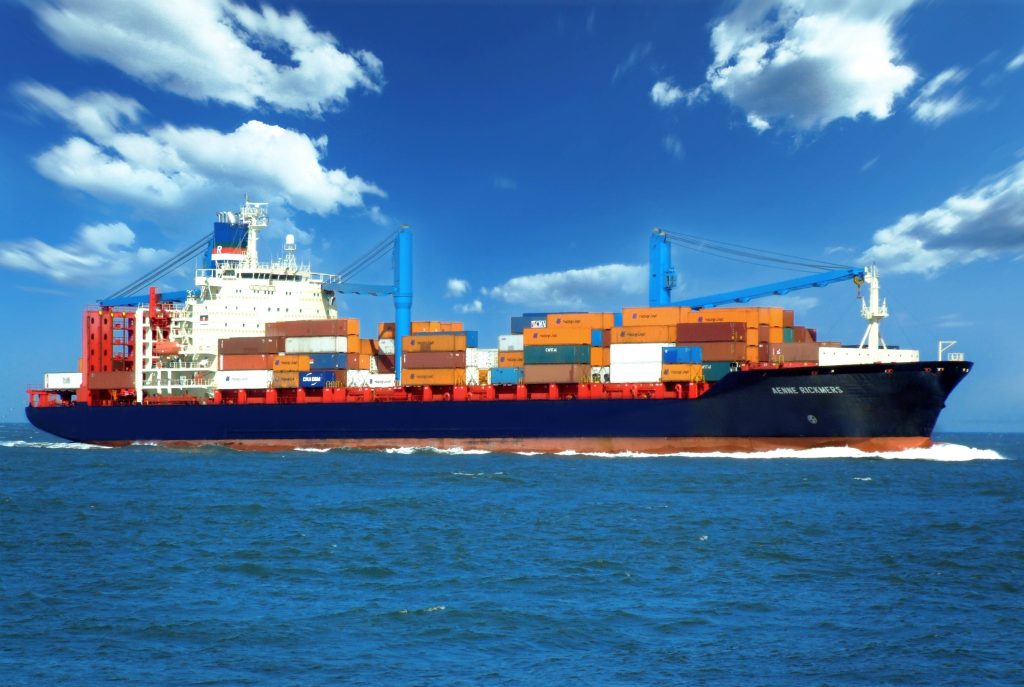
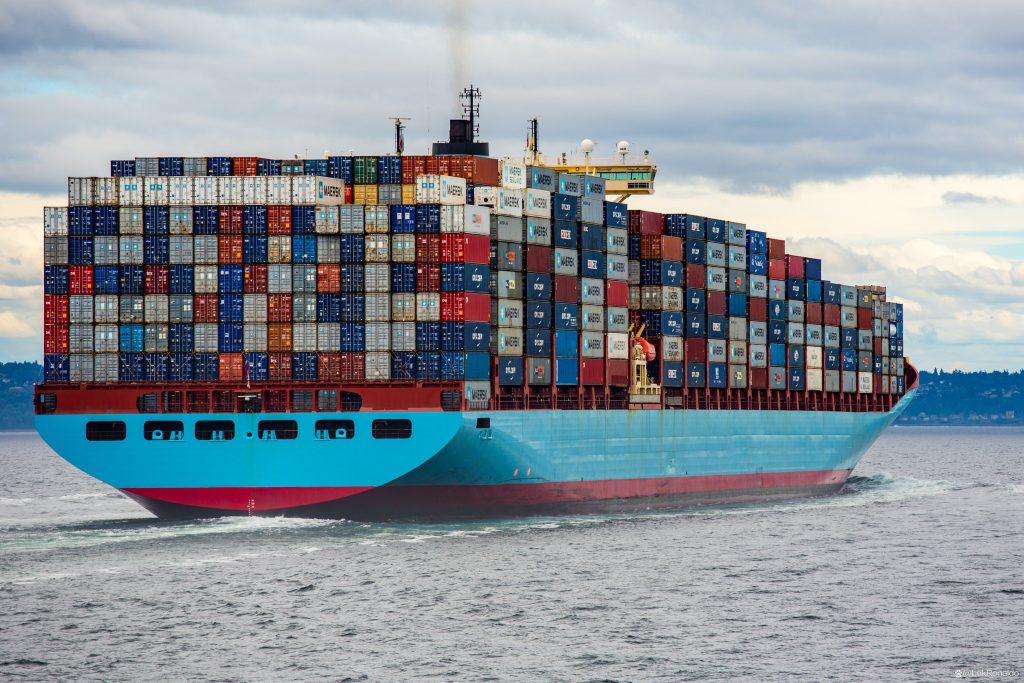
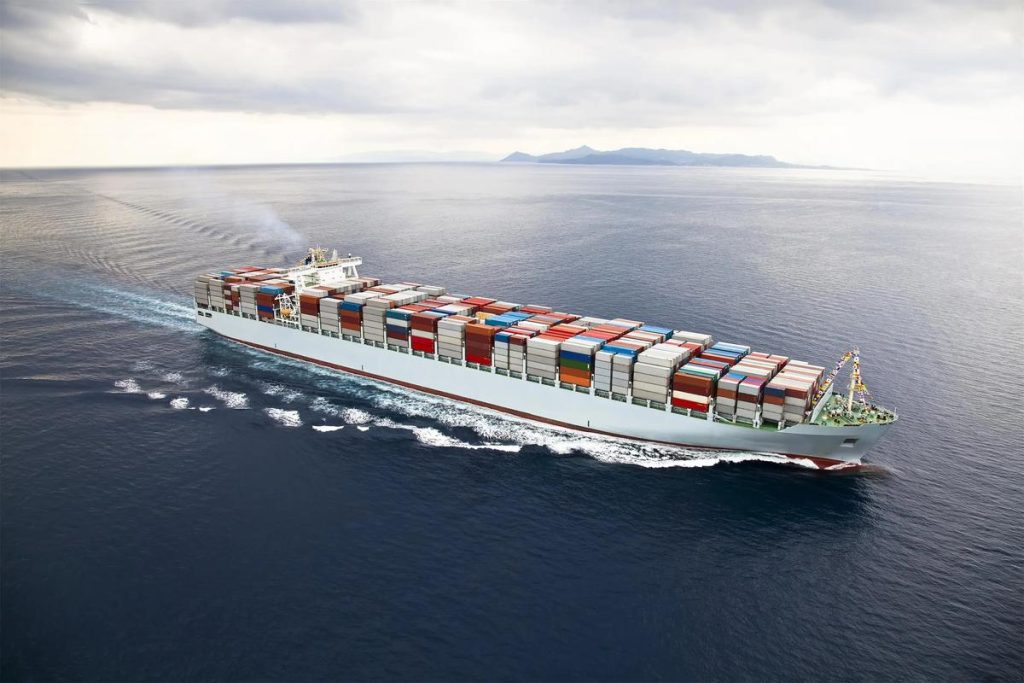
Sea freight is the most common method for large shipments. It is cost-effective for bulk cargo, oversized goods, and standard container loads (FCL or LCL).
Advantages:
- Economical for large volumes
- Suitable for a wide range of cargo
- Flexible shipping options
Transit Time: Typically 2–5 days from major Chinese ports (Shanghai, Shenzhen, Ningbo, Qingdao) to South Korean ports (Busan, Incheon, Gwangyang).
2. Air Freight
Air freight is ideal for high-value or time-sensitive shipments, such as electronics or fashion items.
Advantages:
- Fast transit (1–2 days)
- Reduced inventory holding costs
- High security for valuable goods
Considerations:
- Higher cost than sea freight
- Limited capacity for oversized cargo
Air freight is often combined with door-to-door services to save time and streamline delivery.
3. Rail Freight
Rail freight is an emerging option for specific China–South Korea trade routes. While less common than sea or air freight, it offers a balance between speed and cost for certain cargo types.
Advantages:
- Faster than sea freight
- Lower cost than air freight
- Reliable schedules
Key Considerations for China to South Korea Shipping
1. Customs Documentation
Proper documentation ensures smooth clearance:
- Commercial invoice
- Packing list
- Bill of lading or airway bill
- Import/export licenses (if required)
Freight forwarders often handle all paperwork, reducing the risk of delays.
2. Cargo Insurance
Insurance protects shipments against loss, damage, or delays. Standard policies cover most scenarios, and freight forwarders can recommend tailored coverage for high-value or fragile cargo.
3. Cost Factors
Shipping costs vary based on:
- Cargo weight and volume
- Transportation method (air, sea, rail)
- Seasonal demand
- Port fees and duties
Working with an experienced freight forwarder helps optimize costs without compromising delivery speed.
4. Packaging and Labeling
Proper packaging prevents damage during transport. For China–South Korea shipments, ensure:
- Sturdy boxes or containers
- Correct weight and dimension labeling
- Fragile items marked appropriately
Benefits of Using a Professional Freight Forwarder
Partnering with a professional freight forwarder for China to South Korea shipments offers several advantages:
- Door-to-Door Service: From factory in China to warehouse in South Korea.
- Consolidation Services: Combine small shipments to reduce cost.
- Real-Time Tracking: Monitor cargo status online.
- Regulatory Expertise: Avoid customs fines or shipment rejection.
Top Ports for China to South Korea Freight
- Shanghai Port → Busan Port: High volume, frequent sailings.
- Shenzhen Port → Incheon Port: Popular for electronics and consumer goods.
- Qingdao Port → Gwangyang Port: Ideal for bulk cargo and industrial goods.
Air cargo is usually handled through Shanghai Pudong Airport, Guangzhou Baiyun Airport, and Incheon International Airport, providing quick and efficient delivery.
Conclusion
China to South Korea freight forwarding is a critical component of international trade in East Asia. Choosing the right shipping method, ensuring proper documentation, and partnering with a professional forwarder can save time, reduce costs, and protect your goods.
Whether you are a manufacturer, exporter, or e-commerce business, understanding these logistics options ensures smooth and efficient cross-border shipping. With reliable freight forwarding solutions, your products can reach South Korea safely, on time, and cost-effectively.