

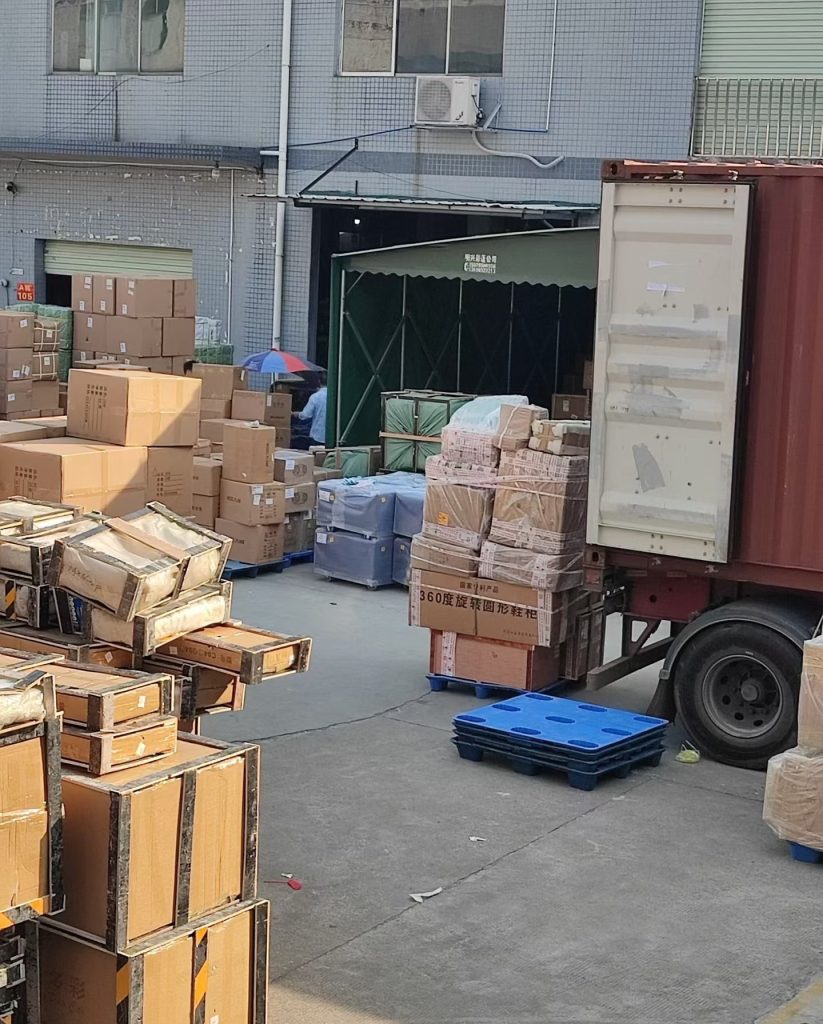
China hazardous battery sea freight LCL shipping is a practical logistics solution for businesses that need to transport smaller quantities of regulated battery cargo internationally without booking an entire container. Because battery shipments can be classified as dangerous goods, the logistics process requires careful assessment, documentation, packaging, carrier approval, and customs coordination.
What Is Hazardous Battery LCL Sea Freight?
LCL stands for Less than Container Load. Instead of using a full container for one shipment, cargo from multiple shippers is consolidated into a container.
For hazardous or dangerous goods batteries, consolidation must follow applicable transportation regulations and compatibility requirements. Not every battery shipment can be consolidated with ordinary cargo, so the cargo should be reviewed before booking.
Common battery products may include:
- Lithium-ion batteries
- Lithium-metal batteries
- Rechargeable battery packs
- Battery cells
- Energy storage batteries
- Power batteries
- Batteries shipped with equipment
- Batteries contained in equipment
Why Choose LCL for Battery Shipments?
For exporters with relatively small quantities, LCL can avoid the cost of reserving an entire container.
Potential advantages include:
- Suitable for smaller shipments
- Flexible shipping volumes
- Access to major international ports
- Consolidated ocean transportation
- Possible door-to-door solutions on selected routes
- Lower container commitment for smaller cargo volumes
However, the final cost of dangerous goods LCL shipping can include additional handling and documentation charges compared with general cargo.
Battery Information Required Before Shipping
A professional freight forwarder will normally need detailed cargo information before providing a final shipping solution.
Important information includes:
Product name: Lithium-ion battery
Battery type: Rechargeable lithium battery
UN number: Applicable UN classification
Voltage: Battery voltage
Capacity: Ah
Energy: Wh, where applicable
Quantity: Number of pieces/cartons
Gross weight: Total shipment weight
Volume: CBM
Packaging: Carton, pallet, wooden case, etc.
Origin: Chinese city or warehouse
Destination: Port or full delivery address
An SDS and other relevant battery transportation documents may also be requested.
China Hazardous Battery LCL Shipping Process
1. Cargo Information Review
The exporter submits battery specifications and shipping details for preliminary assessment.
2. Dangerous Goods Classification
The cargo is assessed according to its applicable dangerous goods classification and maritime transportation requirements.
3. Document Verification
Required documents are reviewed before the booking is confirmed.
4. Carrier Acceptance
The shipping line or consolidator confirms whether the cargo can be accepted on the selected route.
5. Warehouse Consolidation
The cargo is delivered to the designated warehouse and prepared for LCL consolidation.
6. Export Customs
The necessary export customs procedures are completed in China.
7. Ocean Freight
The consolidated container is transported by sea to the destination port.
8. Destination Handling
Depending on the service, destination customs clearance, deconsolidation, and final delivery can be arranged.
LCL vs. FCL for Hazardous Batteries
| Shipping Method | Suitable For | Main Consideration |
|---|---|---|
| LCL | Smaller shipments | Consolidation and DG compatibility |
| FCL | Larger shipments | Dedicated container |
| Door-to-Door | Buyers needing complete logistics | Destination requirements |
| Port-to-Port | Experienced importers | Buyer handles destination logistics |
There is no single shipping method that is best for every battery shipment. The correct option depends on cargo classification, volume, route, carrier acceptance, and destination regulations.
How to Reduce Battery Shipping Problems
Exporters can reduce potential delays by preparing accurate information before contacting a freight forwarder.
1. Provide accurate battery specifications
Do not estimate the battery capacity or classification.
2. Prepare available compliance documents
SDS and other relevant documents should be ready for review.
3. Confirm packaging requirements
Packaging should comply with the applicable requirements for the specific cargo.
4. Confirm carrier acceptance before delivery
Do not assume that every shipping line accepts every type of battery cargo.
5. Provide the correct destination
Port, city, country, and delivery address can affect the available service.
FAQ
Can hazardous batteries be shipped by LCL from China?
Some hazardous battery shipments can be transported by LCL, provided they meet the applicable regulations and carrier acceptance requirements.
Can lithium batteries be shipped together with other cargo?
Potentially, but consolidation depends on dangerous goods classification, compatibility, packaging, and the requirements of the carrier or consolidator.
What affects the cost of hazardous battery LCL shipping?
Factors can include cargo volume, weight, classification, origin, destination, ocean freight, dangerous goods handling, documentation, warehouse charges, and destination fees.
Can you arrange battery shipping from China to Europe?
Certain China-to-Europe routes can accept battery cargo, subject to the specific battery classification, carrier, route, and destination requirements.
Can battery LCL shipping include customs clearance?
Yes, depending on the selected logistics service. Customs clearance can be arranged separately or included in a broader door-to-door solution where available.
Conclusion
A reliable China hazardous battery sea freight LCL shipping service should provide more than an ocean freight price. Proper cargo assessment, dangerous goods compliance, documentation, warehouse handling, carrier booking, customs coordination, and destination logistics all play important roles.
For a fast quotation, prepare the battery type, UN classification, specifications, quantity, gross weight, CBM, origin, destination, and required delivery service. This allows the freight forwarder to evaluate the shipment and recommend an appropriate LCL or FCL solution.